Panch Kedar Yatra
12D/11N
Uttarakhand
Difficult
12073
↬ Overview
The Indian Himalayas are not only a geographical wonder but also a deeply spiritual landscape. Among the most revered pilgrimages in Uttarakhand is Panch Kedar, a sacred circuit of five ancient temples dedicated to Lord Shiva. The meaning of Panch Kedar comes from two Sanskrit words, where Panch means five and Kedar refers to Lord Shiva, who is worshipped as the supreme yogi and destroyer of ignorance. Panch Kedar literally means the five abodes of Lord Shiva. The Panch Kedar temples dedicated to Lord Shiva are, Kedarnath, Tungnath, Rudranath, Madhyamaheshwar, and Kalpeshwar. These temples are nestled high in the Garhwal Himalayas and are believed to have been established by the Pandavas after the Mahabharata war to seek forgiveness from Lord Shiva.
The story of Panch Kedar is deeply rooted in the epic Mahabharata and forms the spiritual foundation of this pilgrimage. After the devastating Kurukshetra war, the Pandavas were overwhelmed by guilt for killing their relatives and Brahmins. Seeking redemption, they set out to find Lord Shiva, who could absolve them of their sins. However, Lord Shiva, displeased by the bloodshed, avoided them by disguising himself as a bull. When Bhima recognized him and tried to stop him, Shiva vanished into the ground, leaving different parts of his body at five separate locations. These locations later became the five temples of Panch Kedar, each enshrining a sacred form of Shiva.
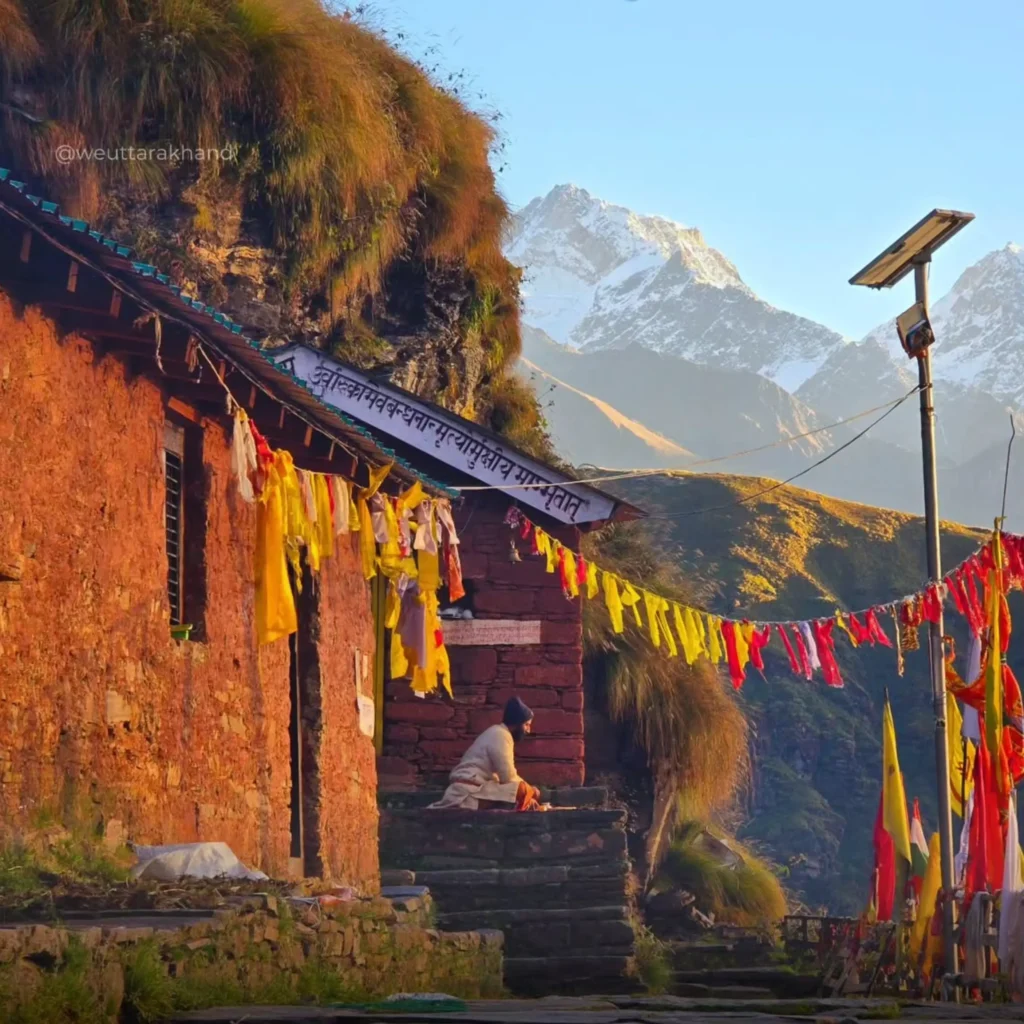
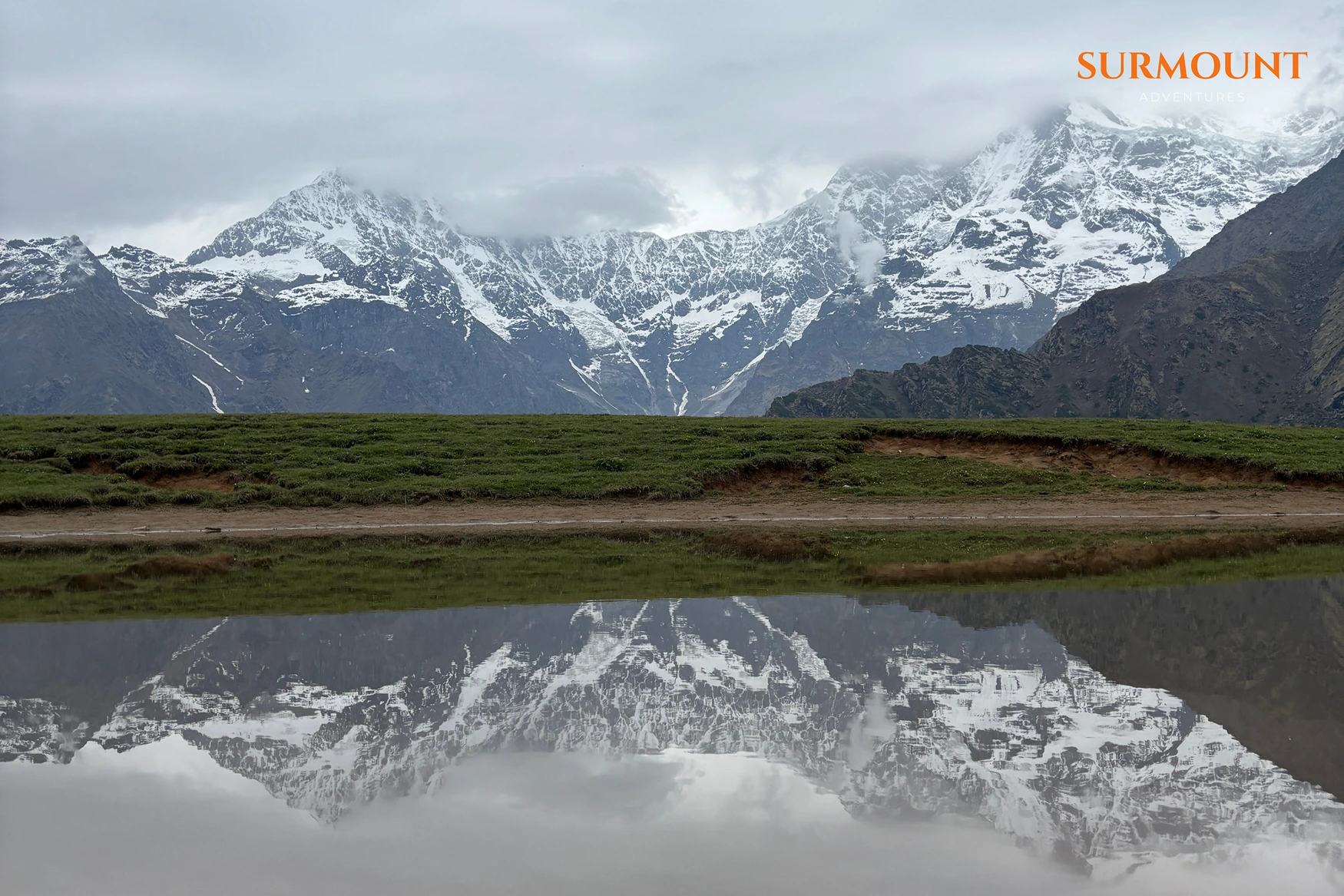
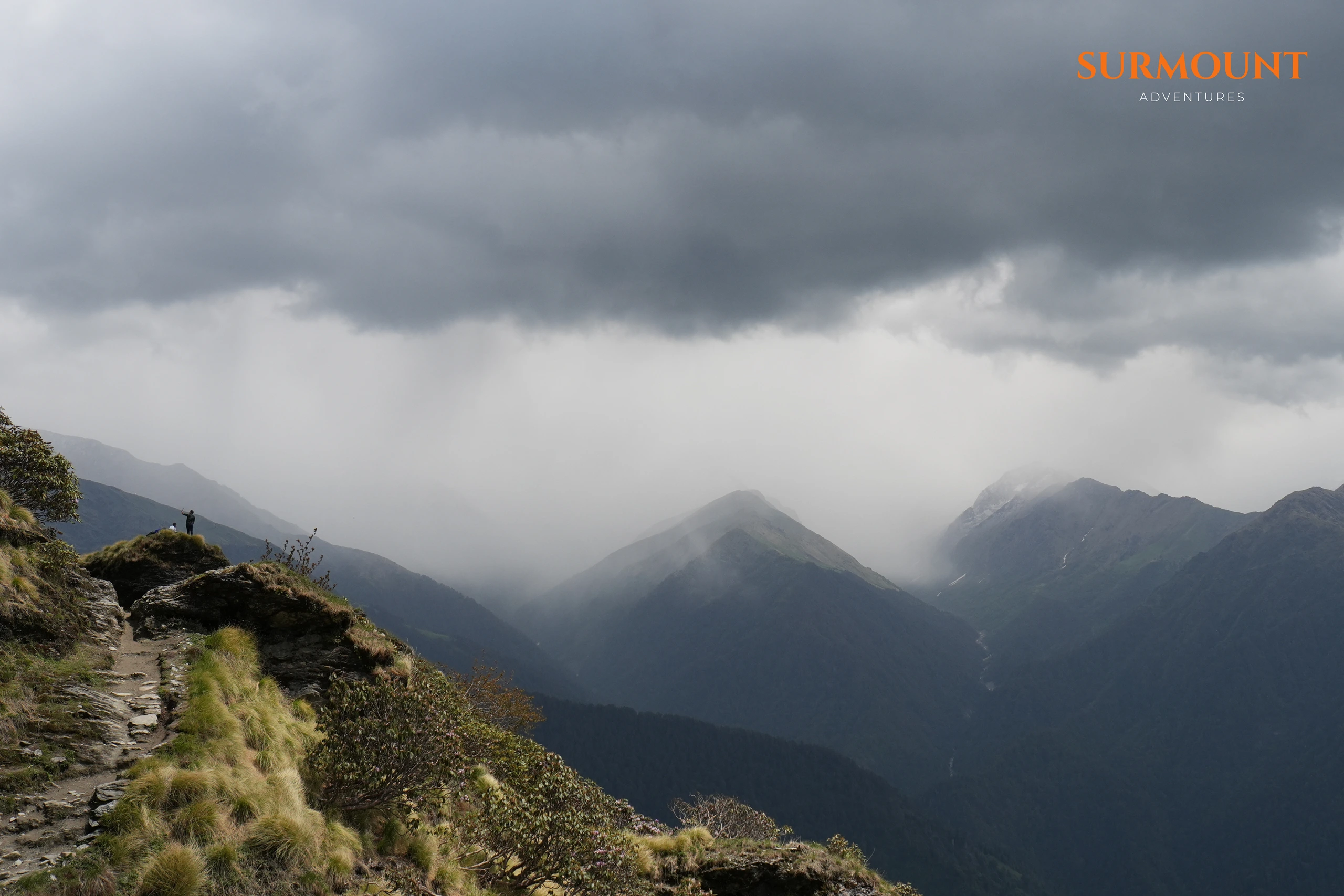
The location of Panch Kedar temples lies in the Rudraprayag and Chamoli districts of Uttarakhand. These temples are surrounded by snow-covered Himalayan peaks, alpine meadows, dense forests, and sacred rivers such as the Mandakini and Alaknanda. Due to their remote locations, most Panch Kedar temples are accessible only through trekking routes, which adds to the spiritual discipline and devotion associated with the Panch Kedar yatra. Tungnath is located at the highest altitude among the five, making it the highest Shiva temple in the world.
Panch Kedar Temples & Symbolic Essence
Kedarnath, the most famous temple among Panch Kedar, is where the hump of Lord Shiva appeared. Kedarnath is also one of the twelve Jyotirlingas, making it one of the most revered Shiva temples in India. Located near the Mandakini River and surrounded by towering Himalayan peaks, the Kedarnath temple is believed to have been originally constructed by the Pandavas and later revived by Adi Shankaracharya in the 8th century. The temple remains open only for a few months each year due to extreme weather conditions, adding to its mystique and spiritual importance.
Tungnath, the second temple of Panch Kedar, is where the arms of Lord Shiva are worshipped. Situated at an altitude of about 3,680 meters, Tungnath is recognized as the highest Shiva temple in the world. The trek to Tungnath begins from Chopta, a popular destination known as the “Mini Switzerland of Uttarakhand.” Above Tungnath lies Chandrashila Peak, which offers breathtaking views of the Himalayan ranges. Tungnath holds immense religious importance and is also a favourite destination for trekkers and nature lovers.
Rudranath, the third temple of Panch Kedar, is considered the most challenging to reach and is where the face of Lord Shiva is worshipped. Unlike other temples, Rudranath features a natural rock formation in the shape of Shiva’s face. Surrounded by forests, alpine meadows, and sacred water bodies such as Surya Kund and Chandra Kund, Rudranath is known for its solitude and mystical atmosphere. The remoteness of Rudranath adds to its spiritual power, making it a deeply meditative destination.
Madhyamaheshwar, the fourth Panch Kedar temple, is associated with the navel of Lord Shiva. Located in a serene valley and surrounded by snow-clad peaks, Madhyamaheshwar is accessible through a long trek that passes traditional Garhwali villages and lush landscapes. The temple complex also includes a shrine where the head of Lord Shiva is worshipped. Madhyamaheshwar reflects the raw and untouched beauty of the Himalayas and holds immense spiritual significance for devotees.
Kalpeshwar, the fifth and final temple of Panch Kedar, is where the matted hair or jata of Lord Shiva is worshipped. Kalpeshwar is unique because it is the only Panch Kedar temple that remains open throughout the year. The shrine is located inside a cave and is surrounded by peaceful natural surroundings. Nearby lies the sacred Kalpavriksha tree, believed to fulfill wishes. Kalpeshwar holds special importance for sages and ascetics who meditate in the region.
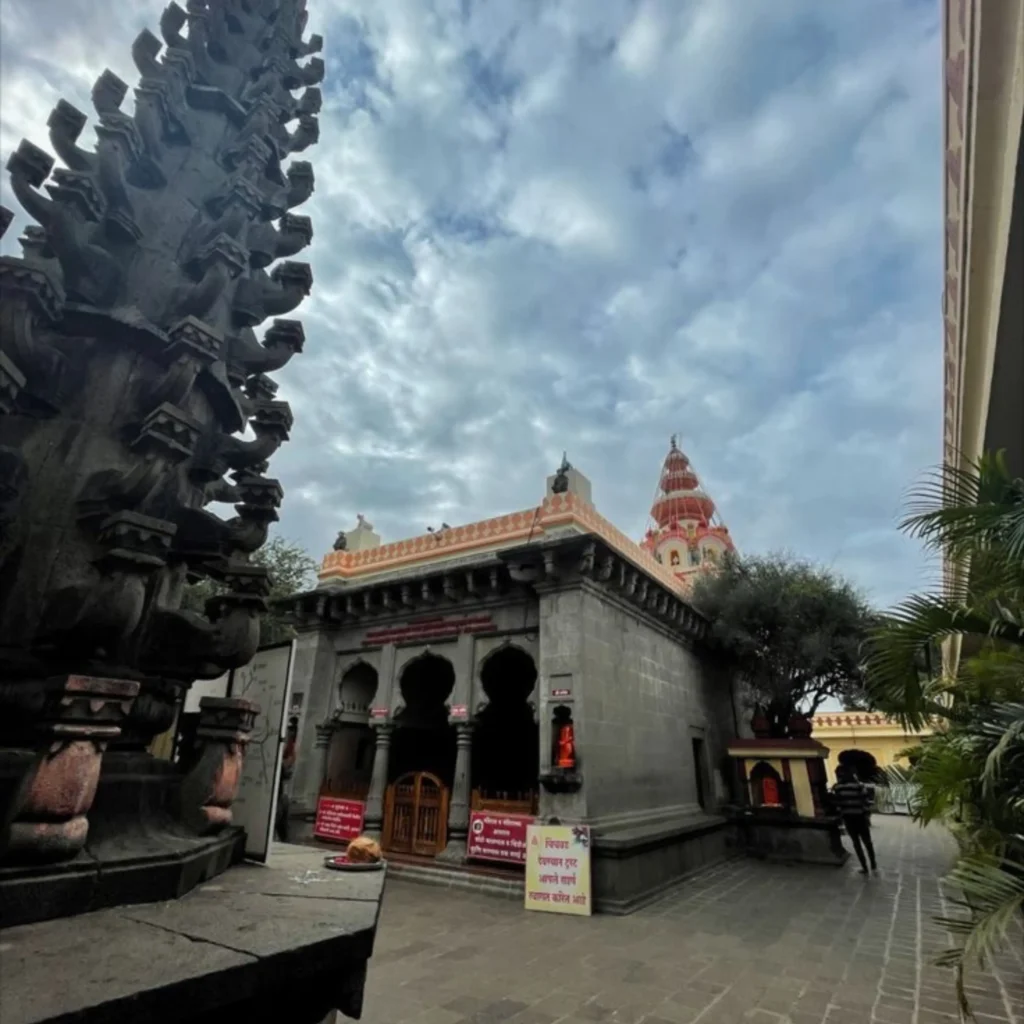
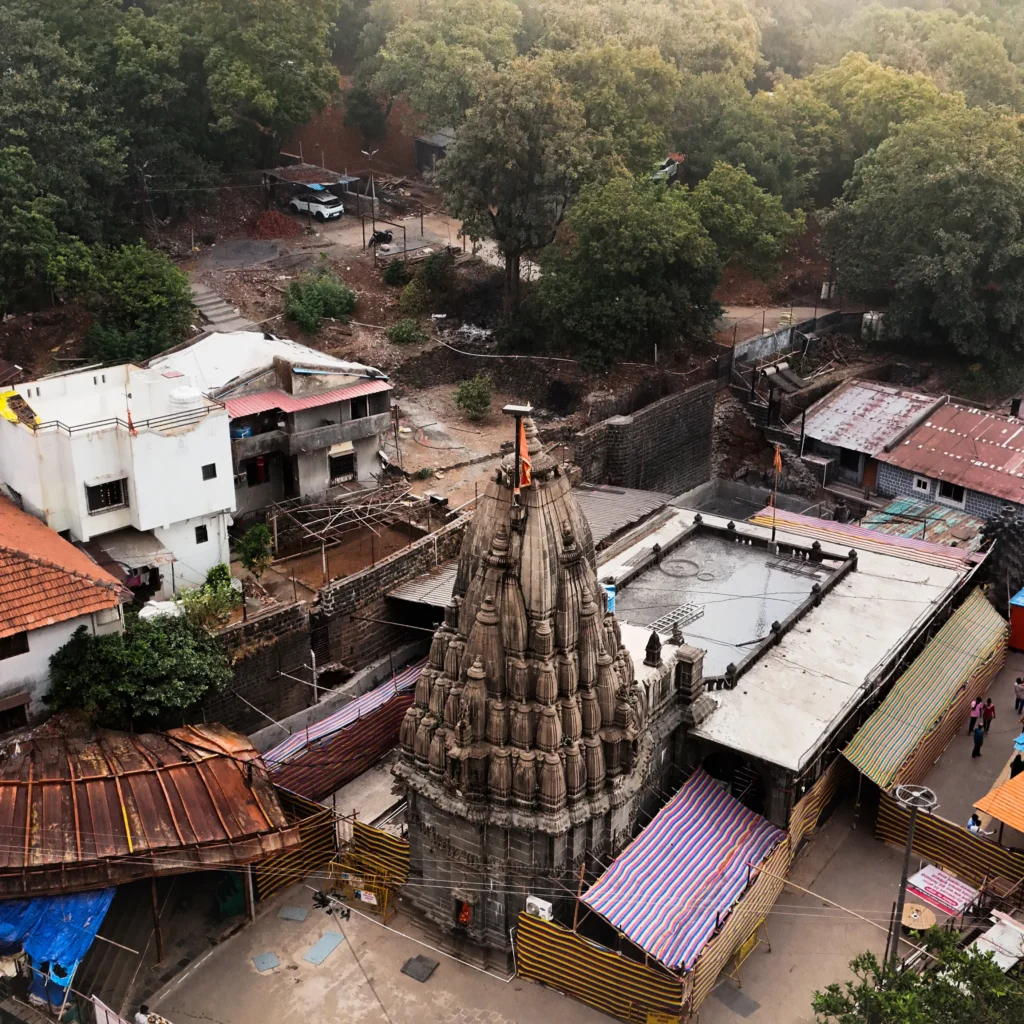
These temples were later organized into a formal pilgrimage route by Adi Shankaracharya in the 8th century. The Panch Kedar temples showcase ancient stone architecture and stand as symbols of devotion, endurance, and faith.
The spiritual importance of Panch Kedar yatra lies in its ability to cleanse sins, awaken inner consciousness, and bring devotees closer to Lord Shiva. The journey is often undertaken after completing the Char Dham Yatra and is considered one of the most sacred Shiva pilgrimages in India.
The best time to visit Panch Kedar is from May to June & September to October (before temple closing), when weather conditions are favourable. Monsoon months should be avoided due to landslides, making most temples inaccessible except Kalpeshwar.
Panch Kedar Yatra is not just a pilgrimage; it is a journey through mythology, devotion, rugged terrains, and timeless faith.
↬ Itinerary
Haridwar to Sonprayag – Entering Devbhoomi Uttarakhand
The journey begins at Haridwar, one of Hinduism’s seven holiest cities and the gateway to the Himalayas. Haridwar is where the River Ganga emerges from the mountains, and it has been a center of pilgrimage since Vedic times. From Haridwar, the road journey to Sonprayag passes through sacred towns like Rudraprayag, the confluence of the Alaknanda and Mandakini rivers. Sonprayag holds religious significance as a purification point before ascending to Kedarnath. Surrounded by forested slopes and river valleys, Sonprayag serves as the spiritual threshold to the Panch Kedar Yatra.
Meals Included: Breakfast, Dinner
Stay type: Triple/Quad Sharing Guesthouse
Sonprayag – Gaurikund – Kedarnath Trek (16 KM | 3,583 M)
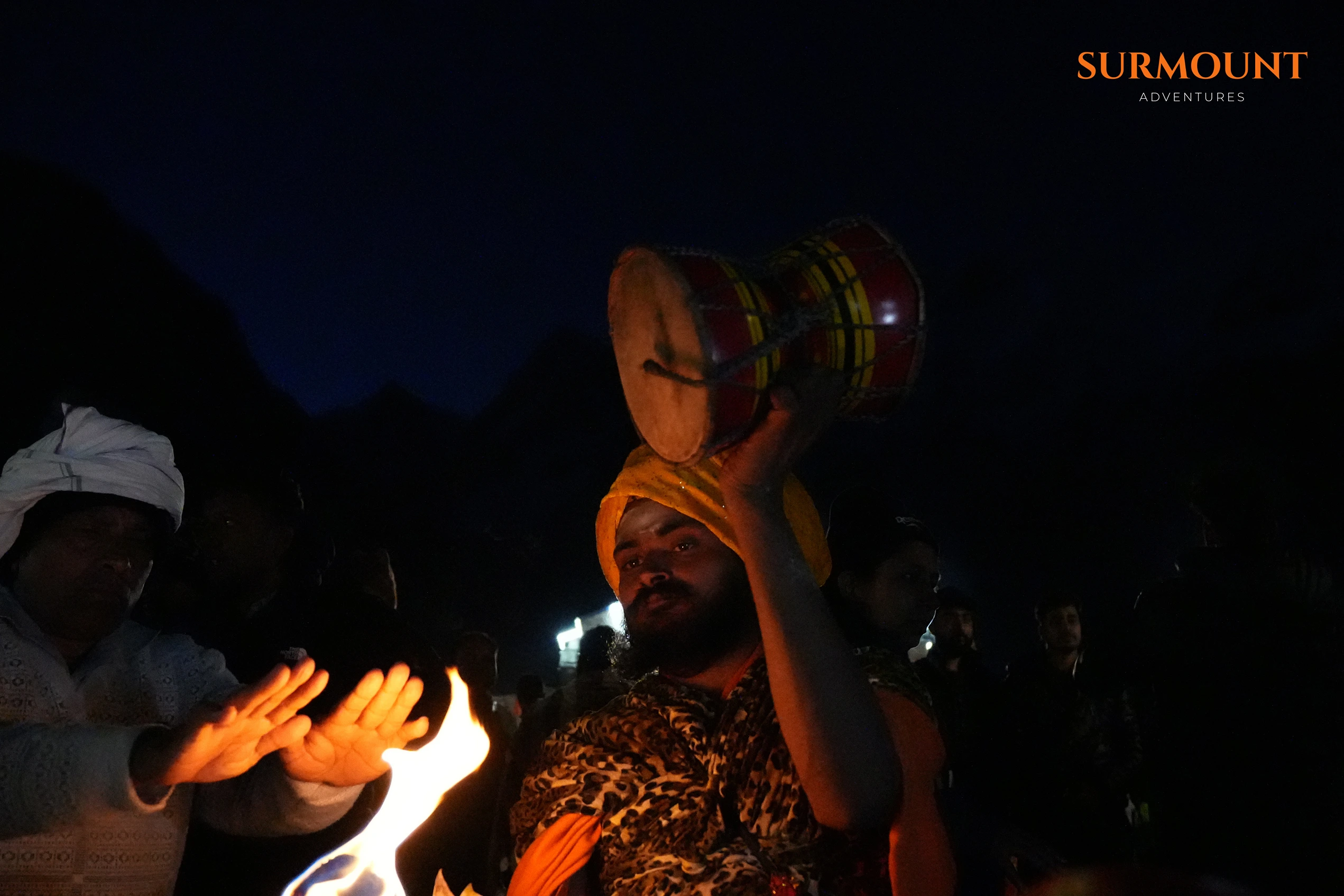
From Sonprayag, pilgrims travel to Gaurikund, named after Goddess Parvati (Gauri), where she is believed to have performed penance to win Lord Shiva’s heart. The 16 km Kedarnath trek ascends gradually through pine forests, waterfalls, and glacial streams to reach Kedarnath Temple, situated at 3,583 meters. Kedarnath is one of the 12 Jyotirlingas and the most revered shrine of Panch Kedar, where the hump of Lord Shiva is worshipped. The temple is believed to have been built by the Pandavas and later restored by Adi Shankaracharya, who attained samadhi here. The shrine is surrounded by majestic peaks such as Kedarnath Peak, Bharatekuntha, and Kedar Dome, creating a powerful spiritual atmosphere. Evening aarti and darshan at Kedarnath is a deeply moving experience.
Meals Included: Breakfast, Dinner
Stay type: 6 Sharing Dormitory/Tent (GMVN Dormitory) or Similar
Kedarnath to Sonprayag – Descending from the Abode of Shiva
After morning darshan at Kedarnath, pilgrims descend along the same 16 km route to Gaurikund and then drive back to Sonprayag. The return journey offers panoramic views of the Mandakini Valley and surrounding snow-covered peaks, allowing pilgrims to reflect on the spiritual intensity of Kedarnath and its ancient Shaivite legacy.
Meals Included: Breakfast, Dinner
Stay type: Triple/Quad Sharing Guesthouse
Sonprayag to Ransi | Trek to Gaundhar / Bantoli
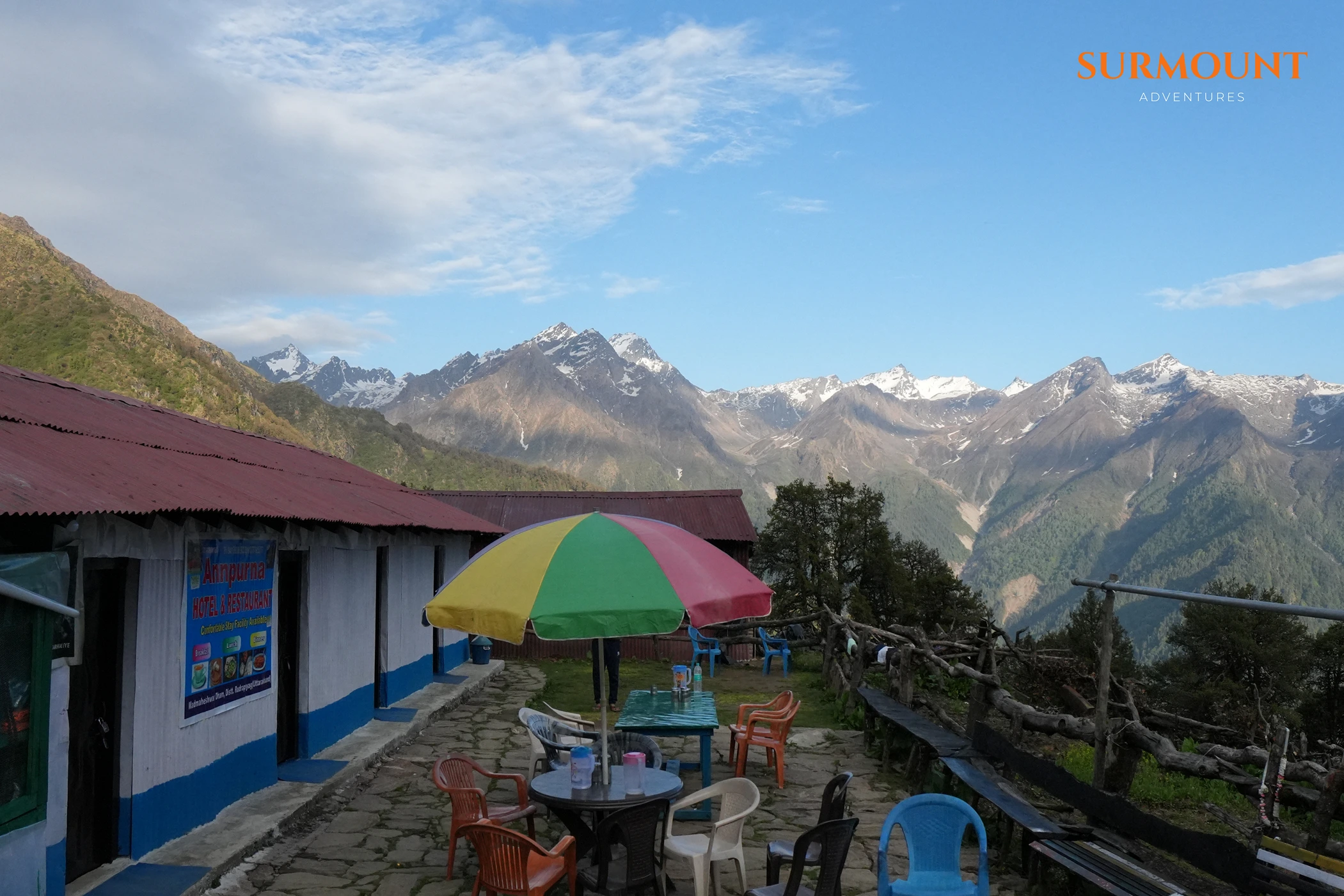
On Day 4, the yatra moves toward the Madhyamaheshwar region. A scenic drive from Sonprayag leads to Ransi village, the traditional starting point of the Madhyamaheshwar trek. From Ransi, pilgrims trek to Gaundhar or Bantoli, walking through thick forests, cascading streams, and traditional Garhwali settlements. This region is culturally rich and has been inhabited by Himalayan communities that have preserved ancient customs and temple traditions for centuries.
Meals Included: Breakfast, Dinner
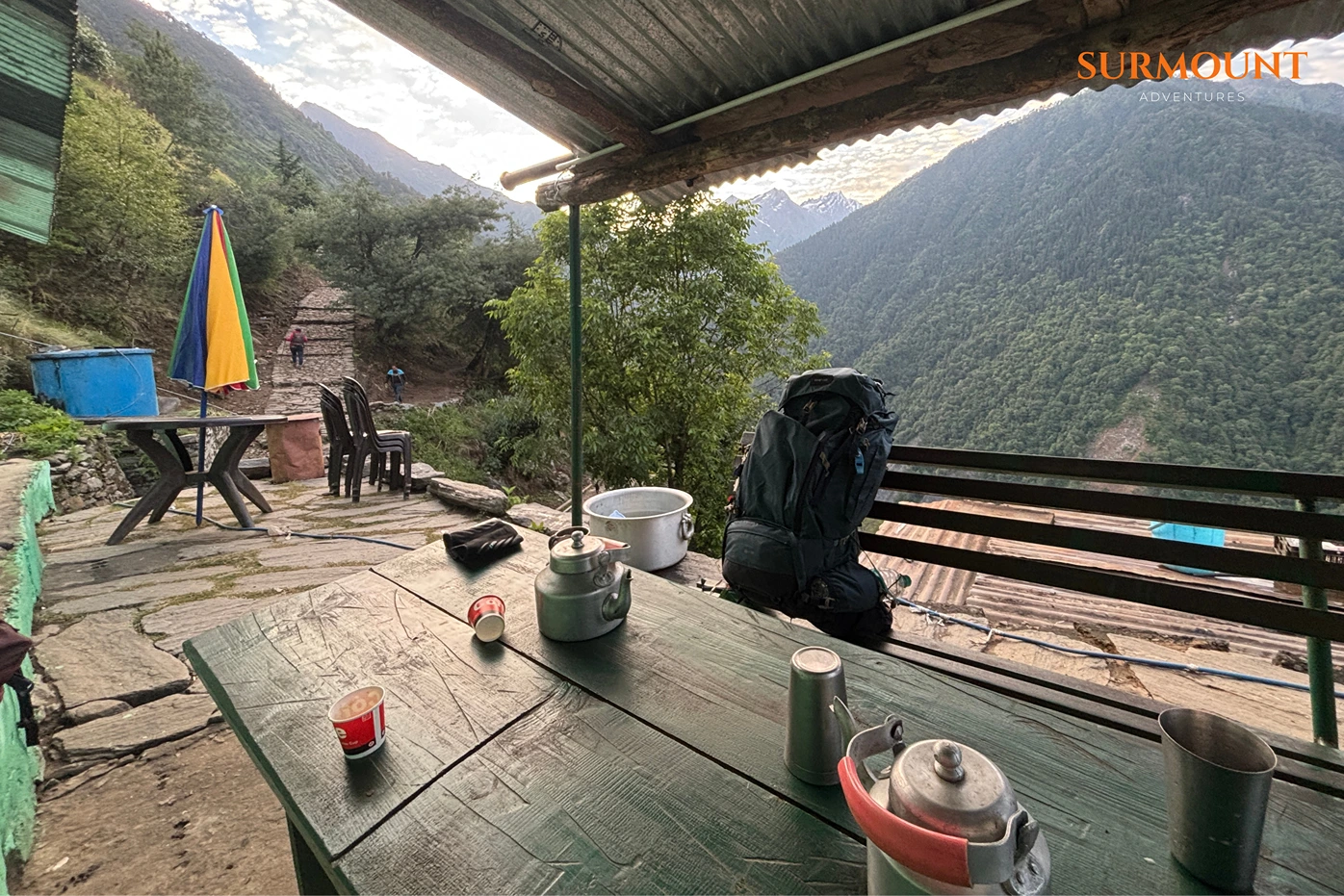
Stay type: Quad Sharing Dormitory (Basic Accomodation)
Bantoli to Madhyamaheshwar Temple (12 KM | 3,497 M)
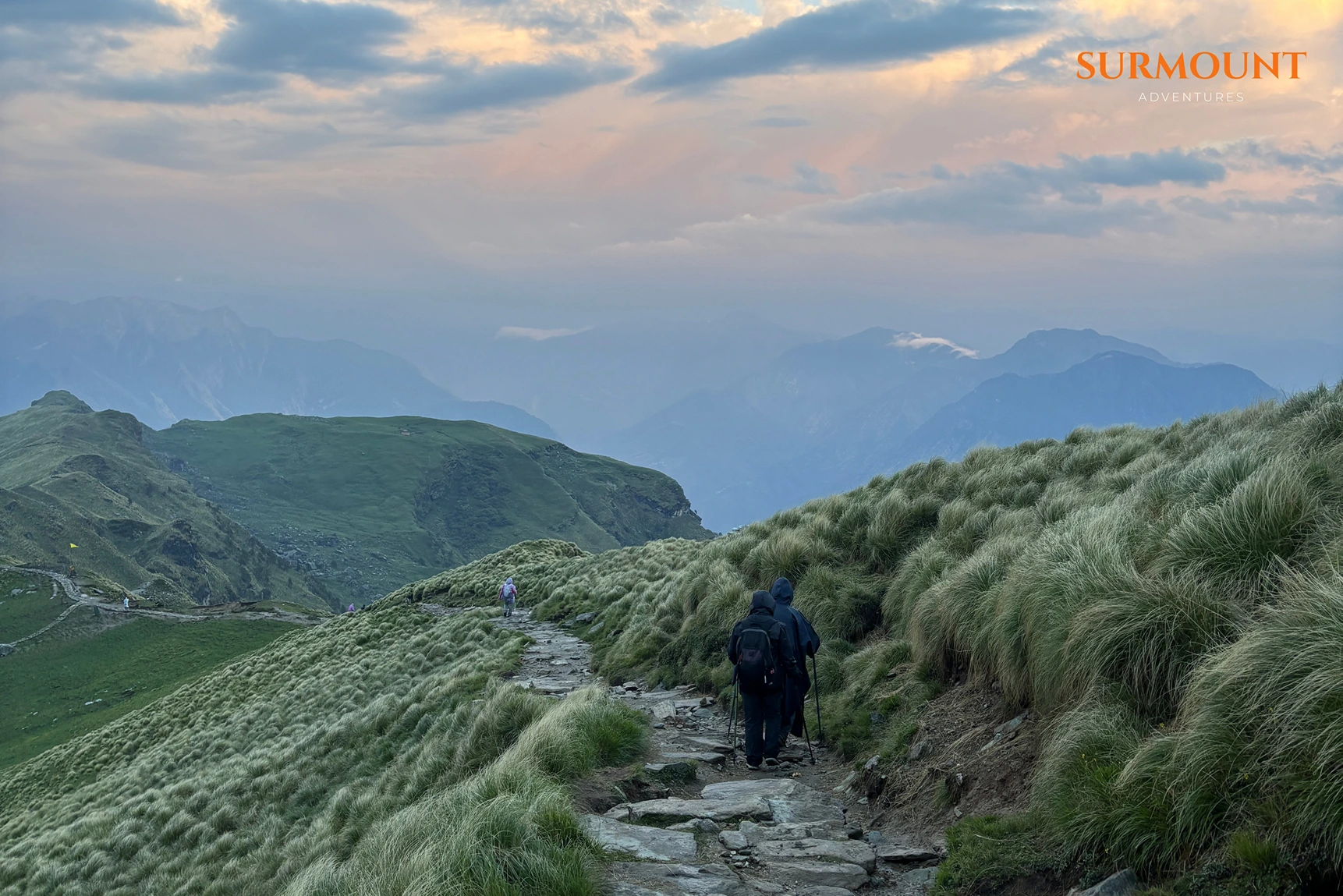
The trek to Madhyamaheshwar Temple ascends through alpine meadows and open ridgelines, revealing dramatic views of Chaukhamba, Neelkanth, and Kedarnath ranges. Located at 3,497 meters, Madhyamaheshwar is where the navel of Lord Shiva is worshipped. According to legend, this is where Shiva’s torso emerged after he disappeared into the earth. The temple architecture reflects ancient Himalayan stone craftsmanship, and the surrounding silence enhances its meditative quality.
Meals Included: Breakfast, Dinner
Stay type: Quad Sharing Dormitory (Basic Accomodation)
Budha Madhyamaheshwar | Return to Ransi | Drive to Ukhimath
Pilgrims visit Budha Madhyamaheshwar, believed to represent the older or ancestral form of Shiva. This shrine holds special mythological importance and is associated with ancient sages. After darshan, the trek descends to Ransi, followed by a drive to Ukhimath, the winter seat of Kedarnath and Madhyamaheshwar. Ukhimath has historical importance as a center of Shaivite worship during harsh Himalayan winters.
Meals Included: Breakfast, Dinner
Stay type: Triple/Quad Sharing Guesthouse
Ukhimath – Chopta – Tungnath Trek (3.5 KM | 3,680 M)
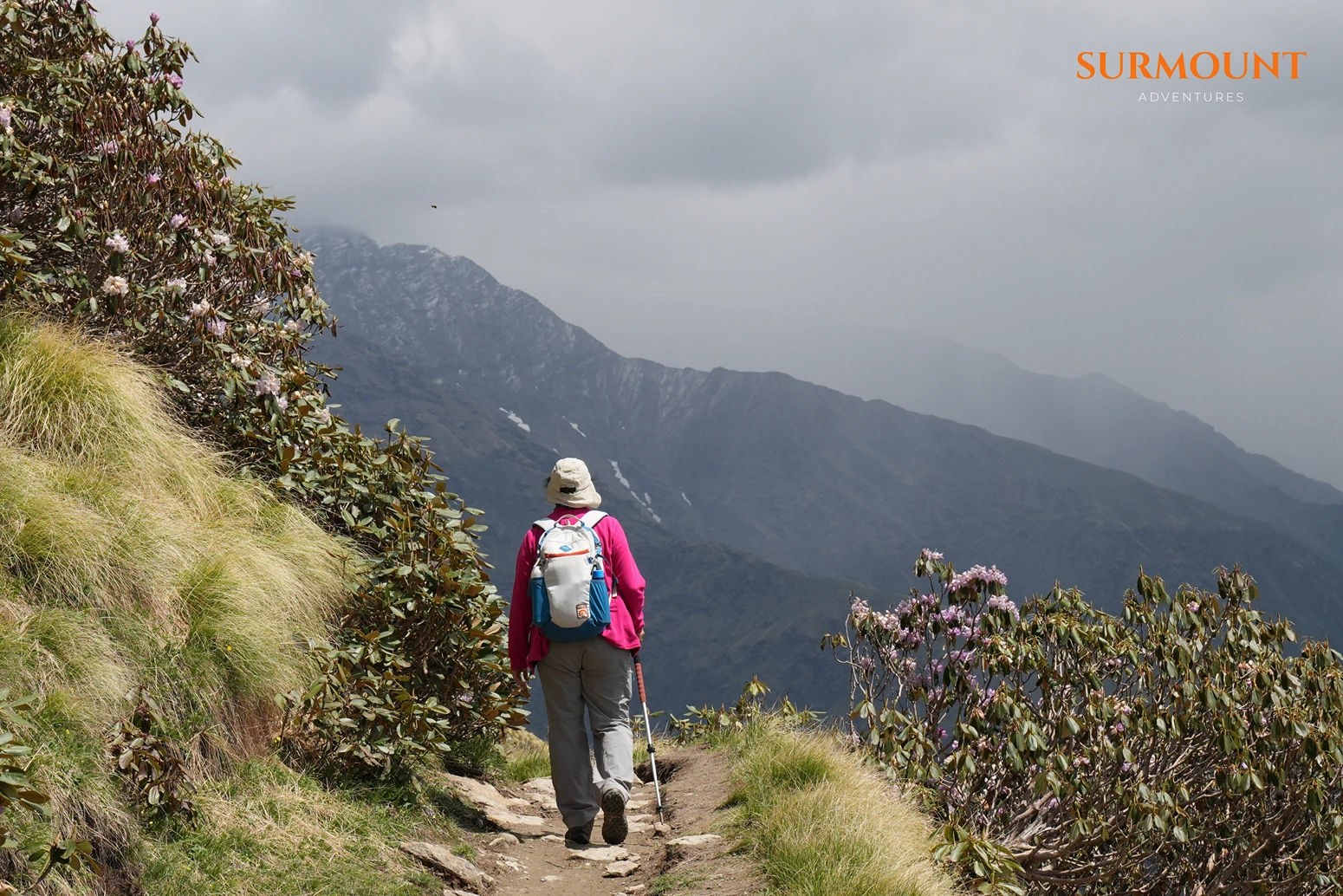
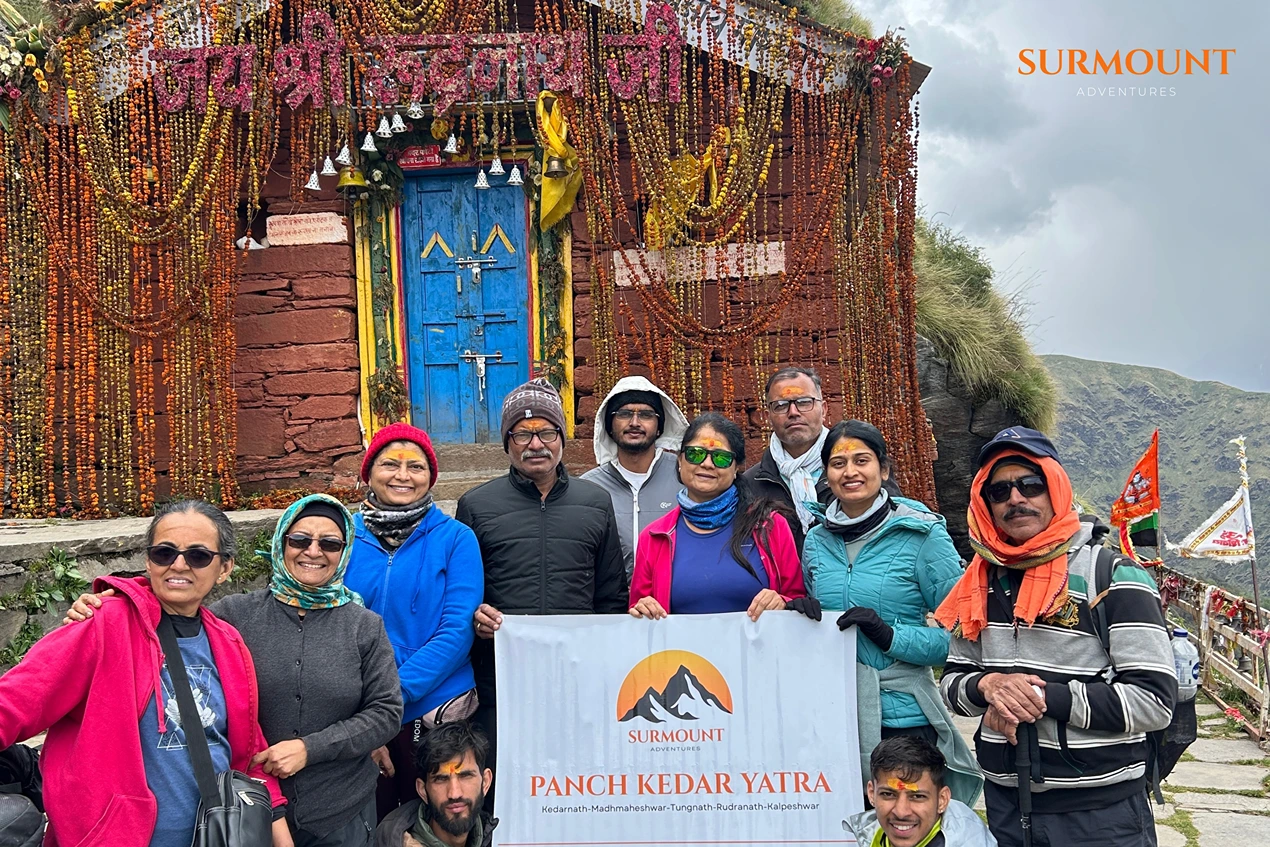
From Ukhimath, the journey continues to Chopta, a picturesque high-altitude meadow surrounded by oak and rhododendron forests. The 3.5 km trek to Tungnath Temple leads to the highest Shiva temple in the world, located at 3,680 meters. Tungnath is where the arms of Lord Shiva are worshipped. The temple is believed to be over 1,000 years old and offers spectacular views of peaks like Nanda Devi, Trishul, and Chaukhamba. After darshan, pilgrims proceed to Sagar village, the base for the Rudranath trek.
Meals Included: Breakfast, Dinner
Stay type: Triple/Quad Sharing Guesthouse
Sagar to Lyuti Bugyal – Trek Through Alpine Meadows
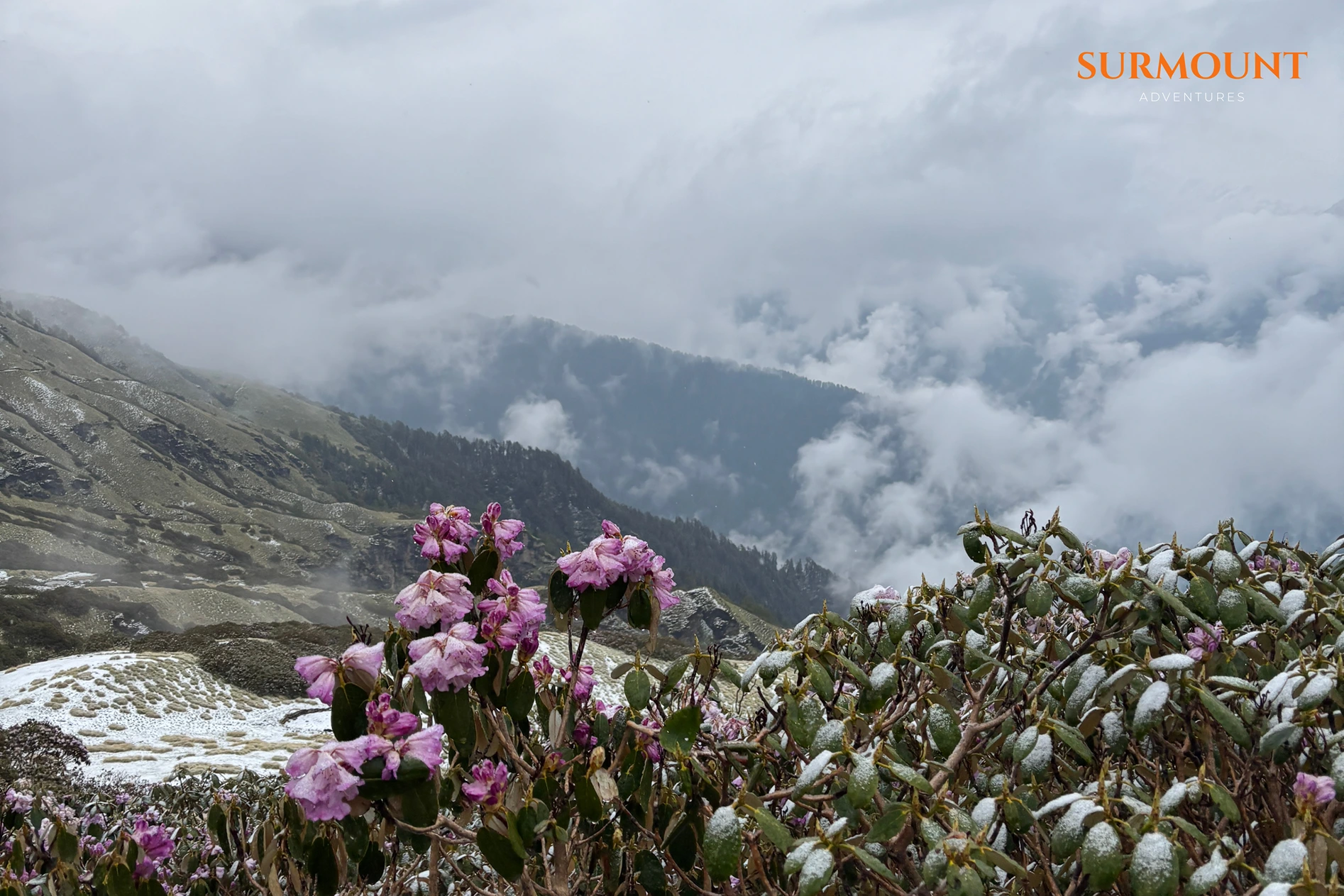
The trek from Sagar to Lyuti Bugyal passes through dense forests and opens into expansive alpine meadows known as bugyals, which are a hallmark of the Garhwal Himalayas. Lyuti Bugyal offers uninterrupted views of Himalayan ridges and serves as a spiritual resting ground for pilgrims preparing for the demanding Rudranath trek.
Meals Included: Breakfast, Dinner
Stay type: 8-10 People Sharing Tents
Lyuti Bugyal to Rudranath Temple (6 KM | 2,286 M)
The trek to Rudranath Temple is considered the most challenging of the Panch Kedar circuit. Rudranath is where the face of Lord Shiva is worshipped in a natural rock formation. Surrounded by peaks such as Nanda Devi, Trishul, and Nanda Ghunti, the temple sits in a dramatic high-altitude bowl. Sacred water bodies like Surya Kund and Chandra Kund are located nearby. The remoteness and silence of Rudranath make it a powerful place for spiritual introspection.
Meals Included: Breakfast, Dinner
Stay type: 8-10 People Sharing Tents
Lyuti Bugyal to Sagar | Drive to Pipalkoti
The descent from Lyuti Bugyal back to Sagar is followed by a scenic drive to Pipalkoti, a small Himalayan town located along the Alaknanda River. This day offers physical rest while maintaining spiritual continuity within the Panch Kedar Yatra.
Meals Included: Breakfast, Dinner
Stay type: Triple/Quad Sharing Guesthouse
Pipalkoti to Kalpeshwar (2 KM | 2,200 M) | Drive to Badrinath
Pilgrims travel to Kalpeshwar Temple, the only Panch Kedar shrine open throughout the year. Located inside a cave at 2,200 meters, Kalpeshwar is where the matted hair (jata) of Lord Shiva is worshipped. The temple has deep associations with sages like Durvasa, who is believed to have meditated here. After darshan, the journey continues to Badrinath, nestled between the Nar and Narayan mountain ranges.
Meals Included: Breakfast, Dinner
Stay type: Triple/Quad Sharing Guesthouse
Badrinath to Rishikesh/Haridwar – Completion of the Sacred Journey
The final day includes darshan at Badrinath Temple, dedicated to Lord Vishnu and established by Adi Shankaracharya. Surrounded by peaks like Neelkanth, Badrinath marks the spiritual culmination of the journey. From here, pilgrims travel to Rishikesh, concluding the Panch Kedar Yatra with a profound sense of spiritual fulfilment and connection to the divine Himalayas.
Meals Included: Breakfast
↬ Inclusion & Exclusion
- Travel: 12 Days ground transportation from Haridwar to Rishikesh by suitable vehicles.
- Stay: Accommodation on triple, quad, dormitory, or tent sharing basis as per the itinerary. (Expect Basic accommodation as this a yatra with limited facilities)
- Meals: Daily Simple Veg breakfast and dinner from Day 1 to Day 12 breakfast.
- Staff: Guided support and coordination during all Panch Kedar treks and temple visits.
- Permits: Forest Permits, tolls, parking, fuel, and driver allowances included.
- Support: Basic first-aid support during the journey.
- Merchandise: Surmount’ s Panch Kedar T-shirt
- Additional Support: Pony, Palki, Mules/Horses, Helicopter services, or personal porter charges during treks.
- Temple Services: Special pooja, abhishek, VIP darshan, ritual offerings, or temple donations.
- Personal Expenses: Tips, laundry, phone calls, bottled water, snacks, beverages, room heater charges, or any expenses of personal nature.
- Insurance & Medical: Travel insurance, medical insurance, medical treatment, evacuation, or hospitalization costs.
- Gear & Equipment: Trekking gear, clothing, personal medicines, or any personal equipment.
- Unforeseen Expenses: Additional costs arising due to weather conditions, landslides, road closures, government restrictions, or any circumstances beyond our control.
- Others: Any service not specifically mentioned under the Inclusions section.
↬ Things to Carry
Mandatory
- Government ID proof (Aadhaar / PAN / Driving License)
Footwear
- Waterproof high-ankle trekking shoes
- Woollen/thermal socks (1 pair)
- Socks (4-6 Pairs)
- Slippers (for camps/travel)
Backpack
- 50-60L trekking backpack with rain cover
- Ziplock/dry bags
Clothing (Winter Essentials)
- 1 Thermal innerwear (top & bottom)
- 4 Full-sleeve dry-fit T-shirts
- 1 Fleece or woollen layer
- 1 Heavy padded/down jacket (mandatory)
- 3 Trek pants (quick-dry)
- Woollen cap, neck warmer
- Waterproof gloves + inner gloves
Trek Essentials
- Water bottles (2–3 litres) / thermos
- Energy snacks (dry fruits, bars, chocolates)
- Trekking poles (recommended)
- Head torch/flashlight
Accessories & Care
- Sunglasses, sunscreen, lip balm
- Power bank
- Basic toiletries & hand sanitizer
Personal Medicines
- Prescription medicines (if any)
- Paracetamol, ORS, antacid, motion-sickness tablets
- Band-aids
↬ FAQ's
The Panch Kedar Yatra is a sacred yatra to five temples of Lord Shiva in Uttarakhand — Kedarnath, Tungnath, Rudranath, Madhyamaheshwar, and Kalpeshwar — believed to be associated with the Pandavas from the Mahabharata.
The best time is May to June and September to October. Monsoon months (July–August) are generally avoided due to landslides and heavy rainfall.
Typically, 12–14 days are required to complete the Panch Kedar Yatra, depending on weather conditions, group pace, and itinerary.
The yatra is considered moderate to difficult, with 128KM of total distance involving multiple high-altitude treks. Rudranath and Madhyamaheshwar are the most challenging sections.
Yes, physically fit beginners can undertake the yatra with proper preparation. Prior walking practice, basic fitness, and mental readiness are essential.
The total trekking distance is approximately 110-128 km, depending on route variations and return paths.
Yes, Char Dham / Yatra registration and forest permits are mandatory. These are arranged by Surmount Adventures team.
Accommodation is basic, including guesthouses, dormitories, and tents on sharing basis. Please do not expect Luxury facilities in remote areas or Yatra routes.
Simple vegetarian meals are available, usually North Indian food such as dal, rice, roti, sabzi, and tea. Jain food may be limited.
- Kedarnath: 3,583 m
- Tungnath: 3,680 m
- Rudranath: 3,600 m
- Madhyamaheshwar: 3,497 m
- Kalpeshwar: 2,200 m
Yes, altitude sickness can occur. Proper acclimatization, hydration, slow pace, and avoiding alcohol are strongly recommended.
Ponies and porters are available on some routes like Kedarnath and Madhyamaheshwar, but not available or limited for Rudranath and Kalpeshwar routes.
Basic medical facilities are available at select locations, but remote sections have limited or no medical access. Carry personal medicines.
Network is intermittent. BSNL works best in remote areas, while other networks may not function.
Helicopter service is available only for Kedarnath. Other temples require trekking.
Each temple represents a different form of Lord Shiva’s body, symbolizing moksha, penance, and divine forgiveness.