6D/5N
Joshimath
Easy to Moderate
12,516 FT
↬ Overview
The Kuari Pass Trek is one of the most iconic and beginner-friendly treks in the Indian Himalayas. Popularly known as the Curzon Trail or now Nanda Sunanda Trail, this historic route was explored by Lord Curzon in the early 1900s and remains one of the finest vantage points for witnessing the grandeur of the Greater Himalayan ranges.
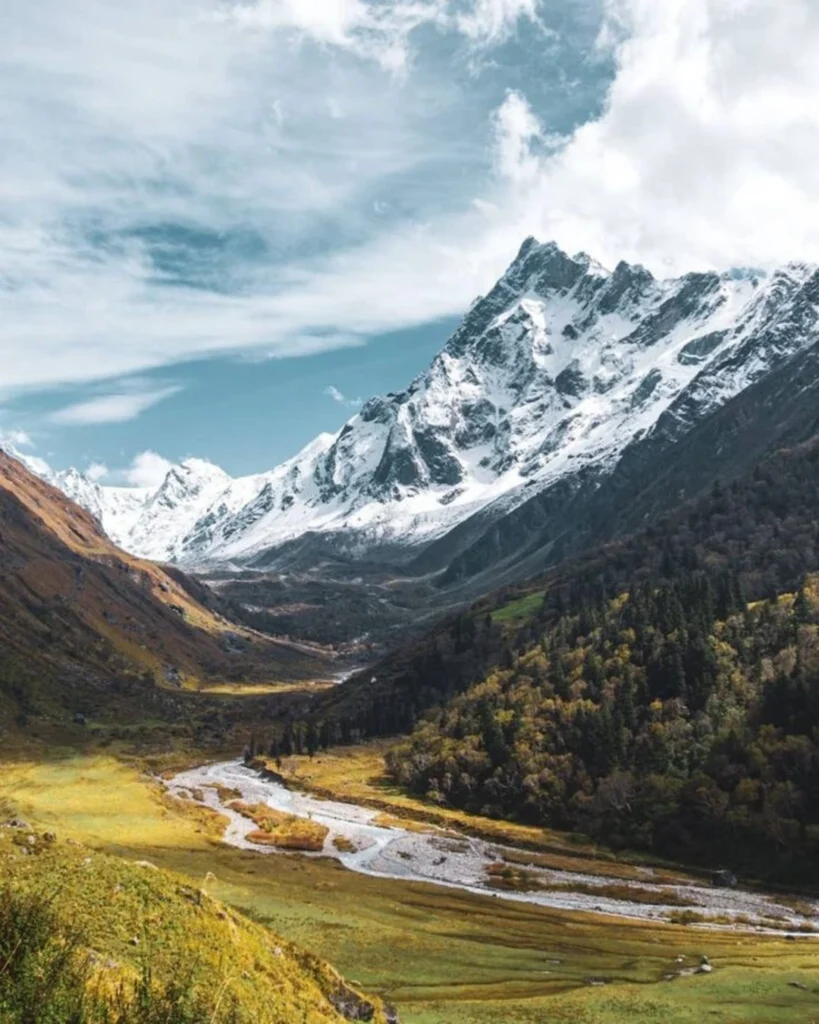
Located in the Chamoli district of Uttarakhand, the trek lies within the Garhwal Himalayas, a region known for its dramatic mountain architecture and deep-rooted Himalayan culture. Kuari Pass offers uninterrupted views of some of the most prominent peaks in the region, including Nanda Devi (India’s second-highest peak), Dronagiri, Kamet, Chaukhamba, Trishul, Neelkanth, and Hathi Ghoda Parvat. The alignment of the trail allows trekkers to walk along forested ridges and open slopes with the Greater Himalayas constantly in sight, a rare feature on beginner-grade treks.
Kuari Pass sits at an altitude of approximately 12,516 ft and forms a natural corridor between the Alaknanda Valley and the inner Garhwal ranges. Historically, this pass was used by shepherds and traders to move between high mountain pastures and villages. Geographically, the region is significant because it offers a clear transition from subtropical river valleys to temperate forests and alpine landscapes within a short span of days.
The trek also lies close to the Nanda Devi Biosphere Reserve, one of India’s most ecologically sensitive zones. This area supports a wide variety of Himalayan flora and fauna, including oak, fir, rhododendron forests, and alpine grasslands that bloom with seasonal flowers in spring and summer.
What to Expect on the Kuari Pass Trek
The Kuari Pass trek is designed around gradual altitude gain, making it ideal for those new to Himalayan trekking. Expect well-laid forest trails, moderate daily walking hours, and ample time for acclimatization. The trek alternates between dense forests, open clearings, and expansive meadows such as Khulara and Tali, which serve as excellent viewpoints for mountain photography and sunset views.
Culturally, the trek passes through traditional Garhwali villages like Tugasi and Gulling, where stone houses, terraced fields, and slow mountain life offer insight into the region’s local lifestyle. Campsites are spacious and scenic, often set against forest backdrops or open slopes facing the Himalayan skyline.
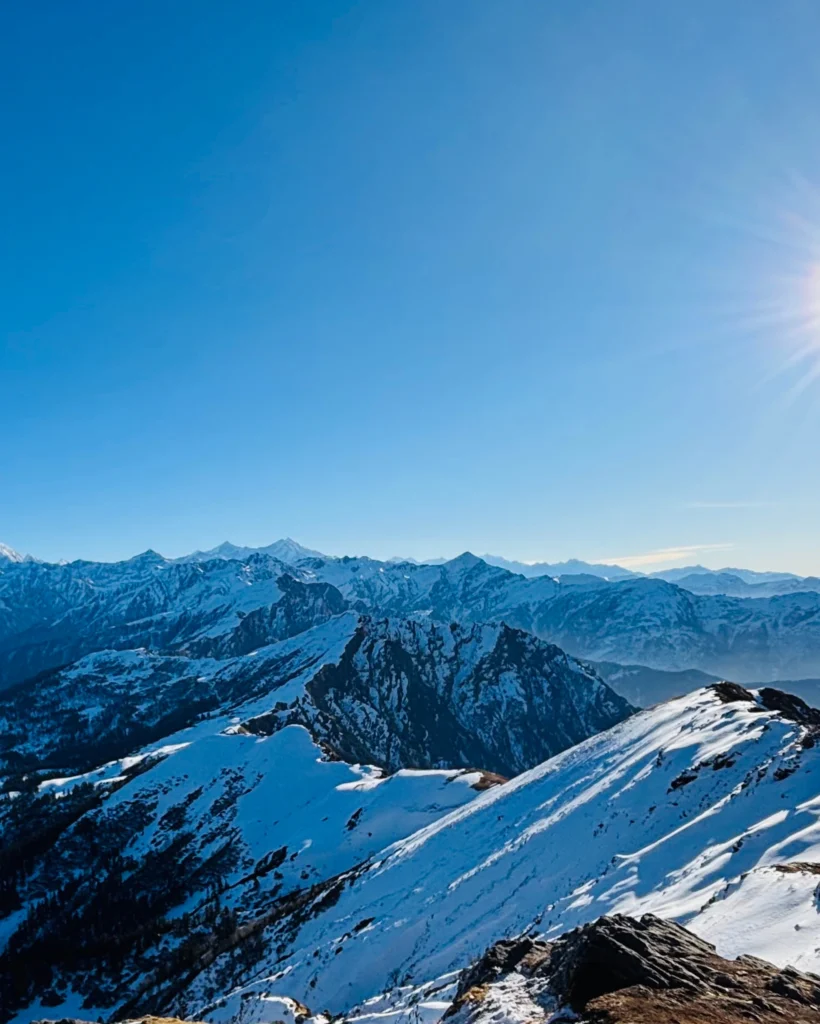
Winter treks bring snow-covered trails and frozen forests, while non-winter months showcase green meadows and clear ridge walks. The summit approach to Kuari Pass is steady rather than steep, allowing trekkers to enjoy the views without technical challenges.
Best Season to Do the Kuari Pass Trek
Kuari Pass is a multi-season trek, each season offering a distinct experience:
- Winter (December to March): Ideal for beginners looking for a snow trek. Expect snow-covered forests, white meadows, and crisp mountain views.
- Spring (April to June): Rhododendron blooms, pleasant temperatures, and clear skies make this one of the most scenic times to trek.
- Autumn (September to November): Stable weather, excellent visibility, and golden alpine landscapes dominate this season.
The trek is not recommended during peak monsoon months (July–August) due to slippery trails and limited mountain views.
Overall, Kuari Pass stands out as a trek that combines historical significance, ecological richness, and exceptional mountain views, making it a reliable and rewarding choice for both first-time trekkers and experienced hikers seeking a relaxed Himalayan journey.
↬ Itinerary
Haridwar to Joshimath | Drive Through the Alaknanda Valley
The journey to Joshimath takes you deep into the Garhwal Himalayas, following the sacred rivers Ganga and Alaknanda for most of the day. You pass the historic confluences of Devprayag, Rudraprayag, and Karnaprayag, where Himalayan rivers merge to form the Ganga. As the altitude increases, the landscape shifts from river valleys to steep mountain roads lined with pine forests.
Joshimath is an important pilgrimage town and a well-known base for Himalayan treks like Kuari Pass, Valley of Flowers, and Auli. The evening is reserved for rest and acclimatization.
Joshimath to Gulling via Tugasi | First Day of Trek
After a short drive to Tugasi village, the trek begins on a gradual trail that ascends through terraced farms and forest patches. This is an easy and enjoyable day designed to help trekkers adjust to walking with a backpack. As you gain height, views of Dronagiri Peak begin to appear — a recurring companion on the Kuari Pass trail.
Gulling is a small, traditional Garhwali village, offering a glimpse into mountain life with stone houses, quiet surroundings, and open views of the surrounding ridges.
Gulling to Lower Khulara | Into the Forest Zone
The trail enters dense oak and rhododendron forests, one of the most scenic sections of the Kuari Pass Trek. During spring, these forests bloom with red and pink rhododendrons, while winter months bring snow-laden branches and silent white trails.
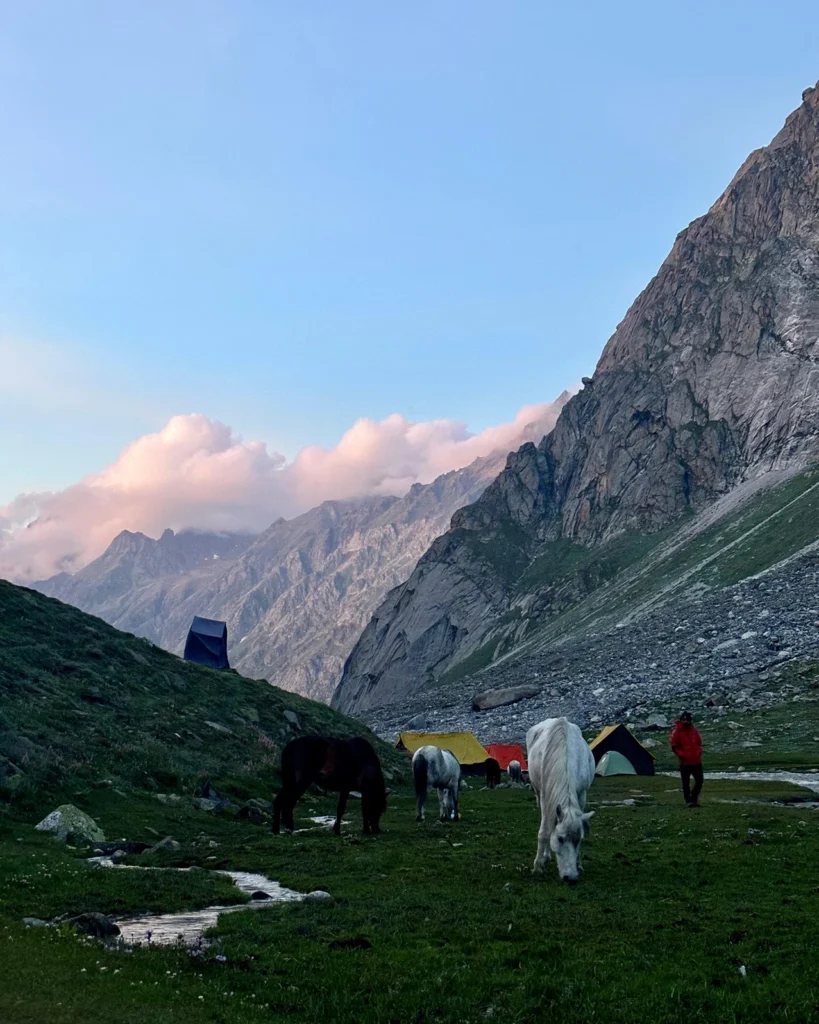
As you climb higher, the forest gradually opens up into alpine clearings. Lower Khulara is a peaceful campsite set against open slopes, offering early views of the Greater Himalayan ranges and a strong sense of being deep in the mountains.
Khulara to Kuari Pass | Summit Day via the Curzon Trail
This is the most important and rewarding day of the Kuari Pass Trek. The climb from Khulara to Kuari Pass is steady and gradual, following the historic Curzon Trail. As you gain altitude, the tree line disappears, and the landscape opens into wide alpine slopes.
From Kuari Pass, you are greeted with one of the finest panoramic views in the Indian Himalayas. Peaks like Nanda Devi, Kamet, Chaukhamba, Trishul, Neelkanth, Dronagiri, and Hathi Ghoda Parvat dominate the skyline. After spending time at the pass, the trek descends toward Tali Forest Camp or returns to Khulara depending on weather and trail conditions.
Khulara to Tugasi | Drive Back to Joshimath
The descent takes you back through forest trails and village paths to Tugasi. This is a relaxed walking day, allowing trekkers to reflect on the journey and enjoy the last views of the Himalayan ridges. From Tugasi, drive back to Joshimath for a comfortable overnight stay.
Joshimath to Rishikesh | End of Trek
An early start takes you back along the Alaknanda River to Rishikesh. The journey marks a gradual transition from the mountains to the plains, giving you time to rest and unwind in the spiritual setting of Rishikesh.
↬ Inclusion & Exclusion
- Travel: Transportation from Haridwar to Sankri & Back
- Stay: Triple/Quad Sharing stays In Sankri: Guesthouse/Homestay | Trek: Triple/Quad Sharing Tent Stays
- Meals: Simple nutritious vegetarian meals as mentioned in the Itinerary
- Staff: Certified Trek Leads, Guided Staff and Local Support
- Permits: Forest Permits, tolls, parking, fuel, and driver allowances included.
- Support: Basic first-aid support during the journey.
- Merchandise: Surmount’ s Trek Completion T-shirt with Certificates
- Insurance: Trek does not cover Insurance, Emergency Evacuation charges (Please get in touch with team In-case you want additional Insurance cover)
- Additional Support: Pony, Mules/Horses, or personal porter charges during treks.
- Personal Expenses: Tips, laundry, phone calls, bottled water, snacks, beverages, or any expenses of personal nature.
- Extra Meals: Any additional meal other than mentioned in the itinerary
↬ Things to Carry
Mandatory
- Government ID proof (Aadhaar / PAN / Driving License)
Footwear
- Waterproof high ankle trekking shoes
- Woollen/thermal socks (1 pair)
- Socks (4 Pairs)
- Slippers (for camps/travel)
Backpack
- 50-60L trekking backpack with rain cover
- Ziplock/dry bags
Clothing (Winter Essentials)
- Thermal innerwear (top & bottom)
- Full-sleeve dry-fit T-shirts
- Fleece or woollen layer (mandatory)
- Down jacket (mandatory)
- Trek pants (quick-dry)
- Woollen cap, neck warmer
- Waterproof gloves + inner gloves
Trek Essentials
- Water bottles (2–3 litres) / thermos
- Energy snacks (dry fruits, bars, chocolates)
- Trekking poles (recommended)
- Head torch/flashlight
Accessories & Care
- Sunglasses, sunscreen, lip balm
- Power bank
- Basic toiletries & hand sanitizer
Personal Medicines
- Prescription medicines (if any)
- Paracetamol, ORS, antacid, motion-sickness tablets
- Band-aids
↬ FAQ's
Yes. Kuari Pass is one of the most beginner-friendly treks in the Indian Himalayas. The trail has gradual ascents, well-defined paths, and comfortable daily walking distances, making it ideal for first-time Himalayan trekkers with basic fitness preparation.
Kuari Pass is known for its wide panoramic views of some of India’s tallest Himalayan peaks, including Nanda Devi, Dronagiri, Kamet, Chaukhamba, Trishul, and Neelkanth. The combination of historic trails, forest walks, alpine meadows, and big-mountain views makes it uniquely rewarding.
Yes. From December to March, Kuari Pass transforms into a classic winter snow trek. Snow-covered forests, white meadows, and clear mountain views making it one of the best beginner-level winter treks in Uttarakhand.
The highest point of the trek is Kuari Pass, located at approximately (12,516 feet) above sea level.
The best seasons are:
- Winter (Dec–Mar): Snow trekking experience
- Spring (Apr–May): Clear skies and blooming forests
- Autumn (Sep–Nov): Crisp weather and sharp mountain views
The trek is classified as easy to moderate. While the terrain is not technical, consistent walking over multiple days and a steady climb to the pass require reasonable stamina.
Trekkers should be able to walk 5–6 hours a day carrying a light backpack. Regular walking, jogging, cycling, or stair climbing for a few weeks before the trek is sufficient preparation.
The risk of altitude sickness is relatively low due to the gradual altitude gain. However, staying hydrated, walking at a steady pace, and following proper acclimatization guidelines are essential.
Mobile connectivity is available in Joshimath. Once the trek begins, network coverage is extremely limited or unavailable, allowing trekkers to fully disconnect and experience the mountains.
Accommodation includes guesthouses or hotels in Joshimath and tented camps at trekking campsites such as Gulling and Khulara. All arrangements are on a sharing basis and designed for comfort in mountain conditions.
↬ Gallery
↬ You might also like...
Bhairavgad Climbing & Rappelling