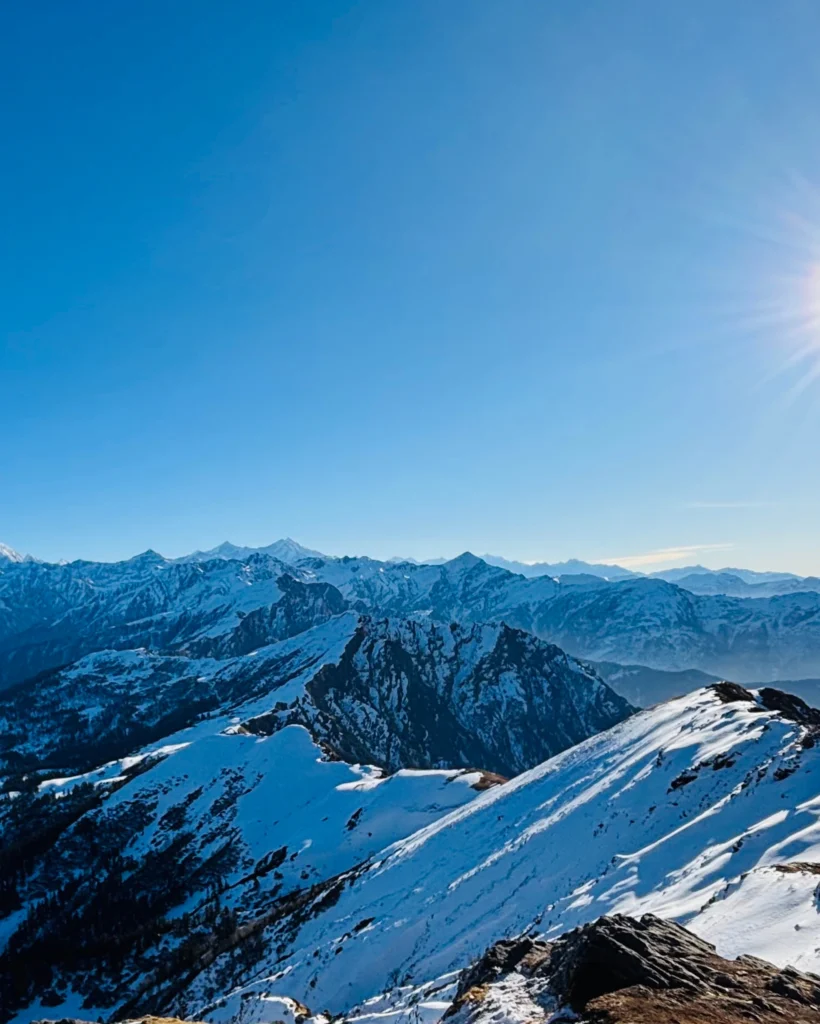
Har Ki Dun Trek
11D/10N
Uttarkashi District, Uttarakhand
Moderate
11,600 FT
↬ Overview
Har Ki Dun Trek – The Valley of Gods
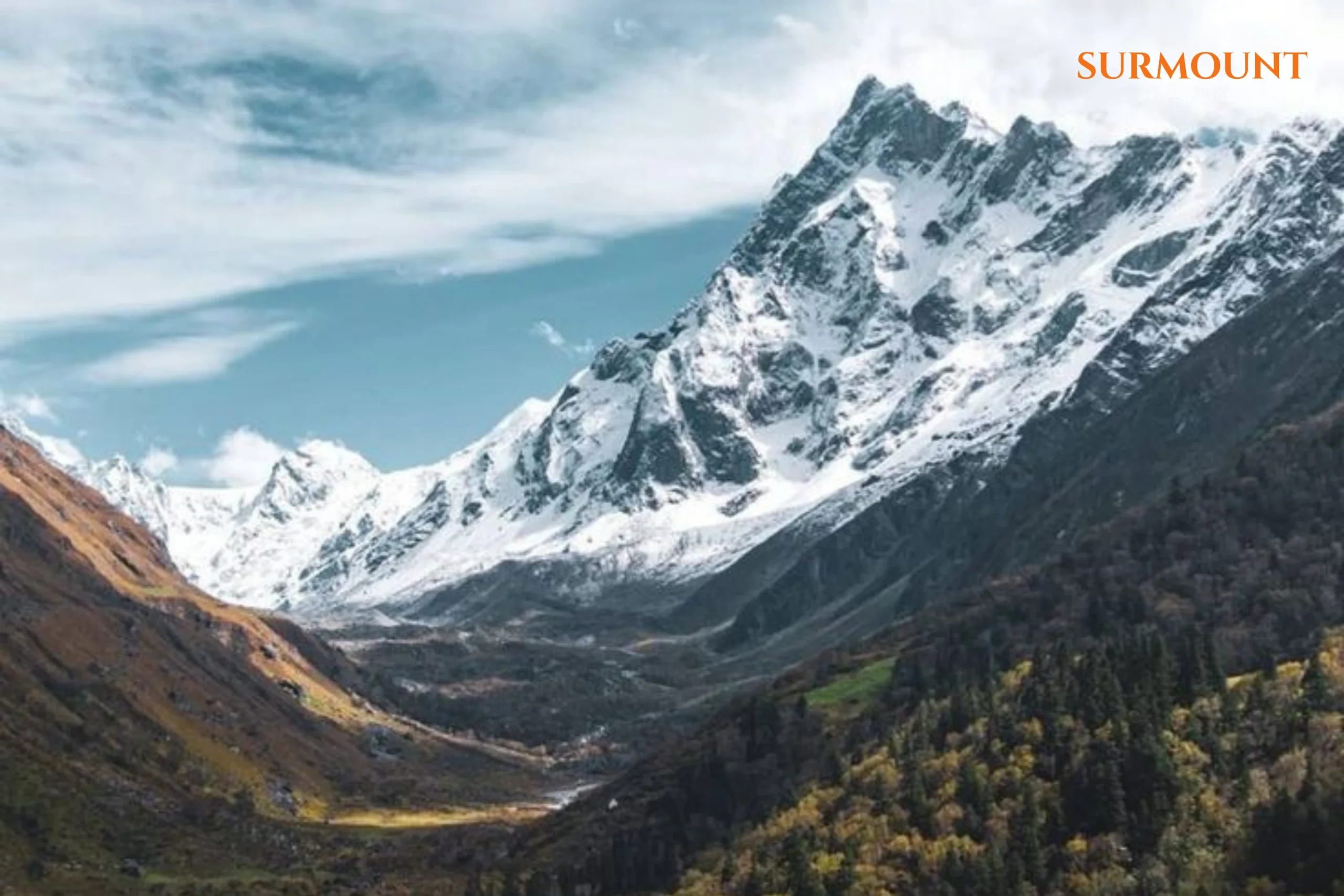
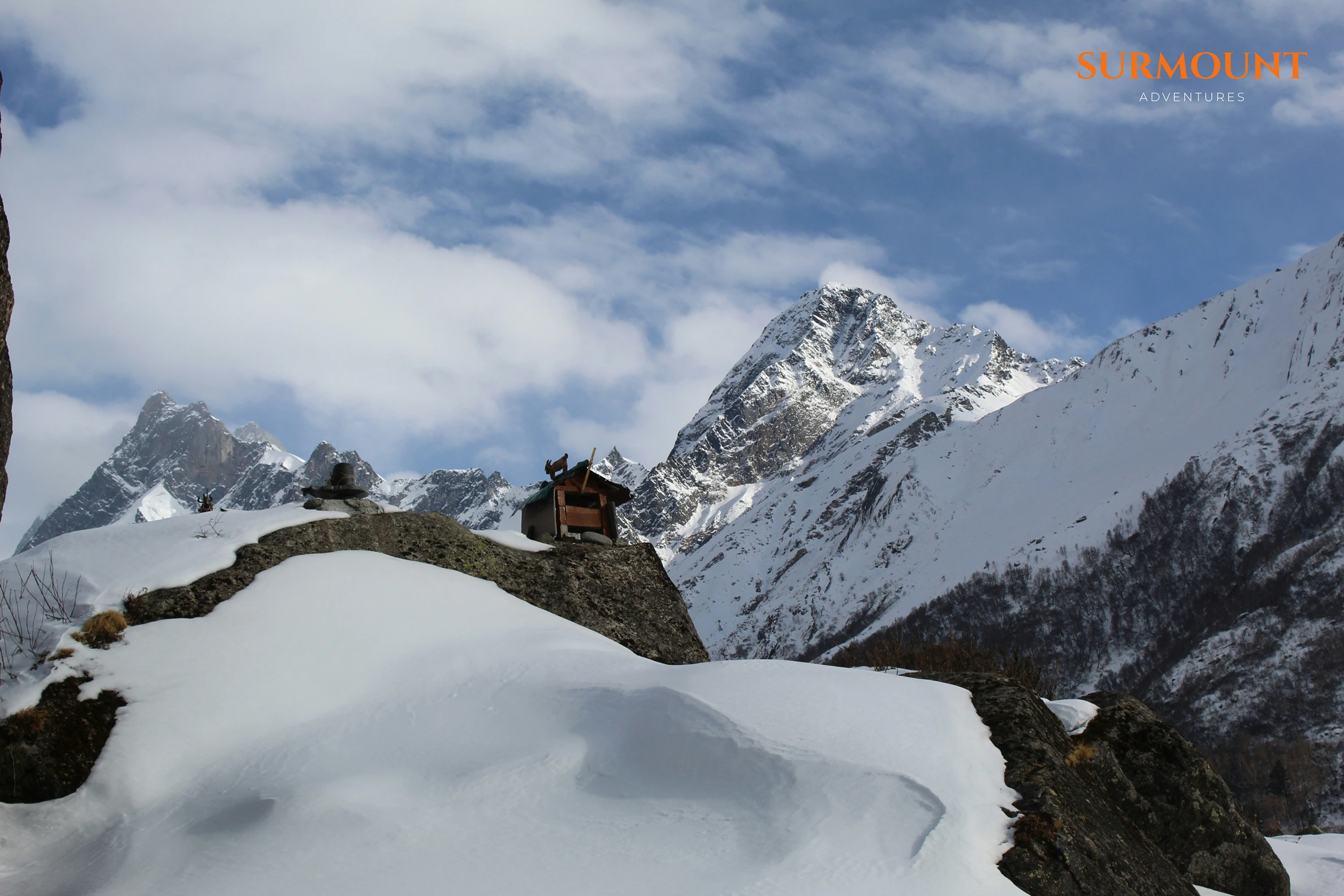
The Har Ki Dun Trek, widely celebrated as the Valley of Gods, is one of the most scenic and culturally rich Himalayan treks in Uttarakhand. Located deep within the Govind Pashu Vihar National Park, this pristine cradle-shaped valley lies at an altitude of approximately 12,000 feet (3,566 meters) and is surrounded by some of the most iconic peaks of the Garhwal Himalayas, including Swargarohini I, Black Peak (Kalanag), BandarpunchMassif, and Ruinsara Peak.
Rich in mythology and untouched natural beauty, the Har Ki Dun Valley is believed to be the ancient route taken by the Pandavas on their ascent to heaven, giving the region profound spiritual importance. The trek seamlessly blends mythology, Himalayan landscapes, and thehimalayan mountain culture, making it one of the most rewarding easy moderate treks in India.
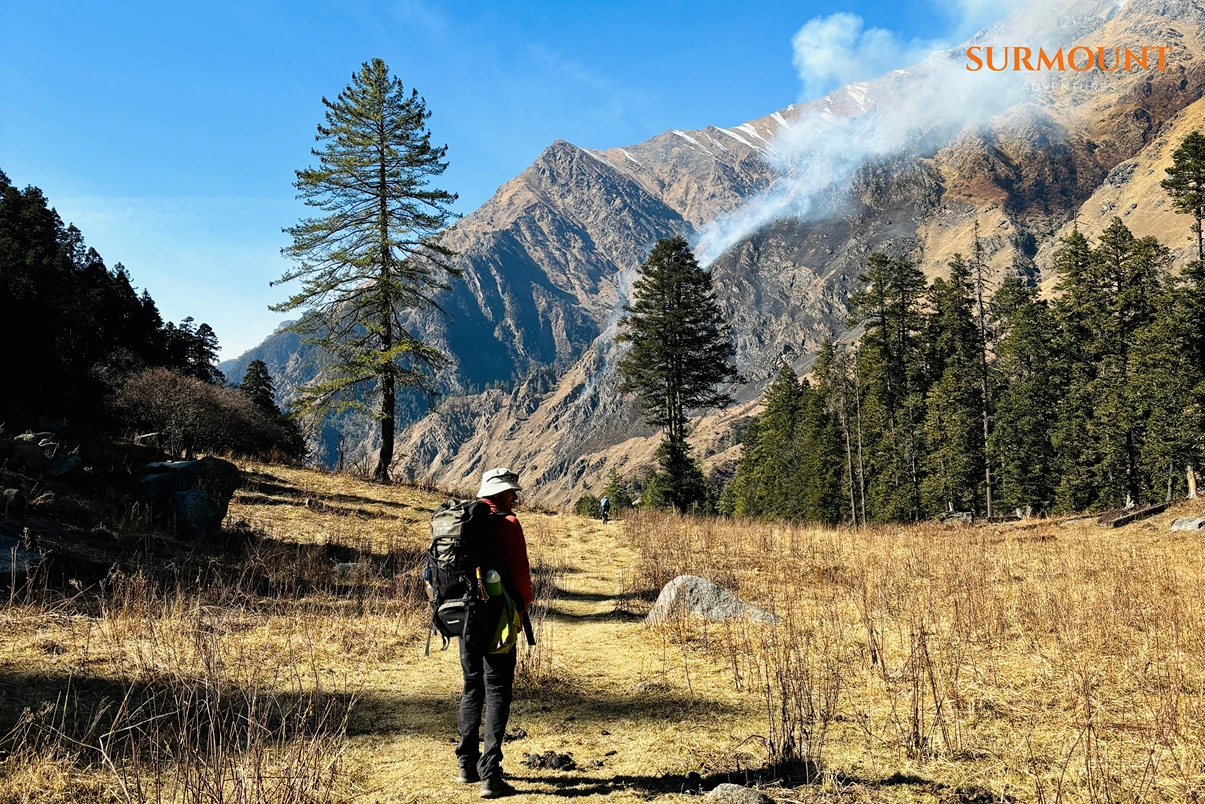
Unlike many high-altitude Himalayan treks, the Har Ki Dun trek follows a gradual ascent, with well-defined trails and comfortable daily walking distances. This makes it an excellent choice for beginners with good fitness levels, as well as experienced trekkers seeking a scenic and culturally immersive journey.
Har Ki Dun Trek Route & Experience
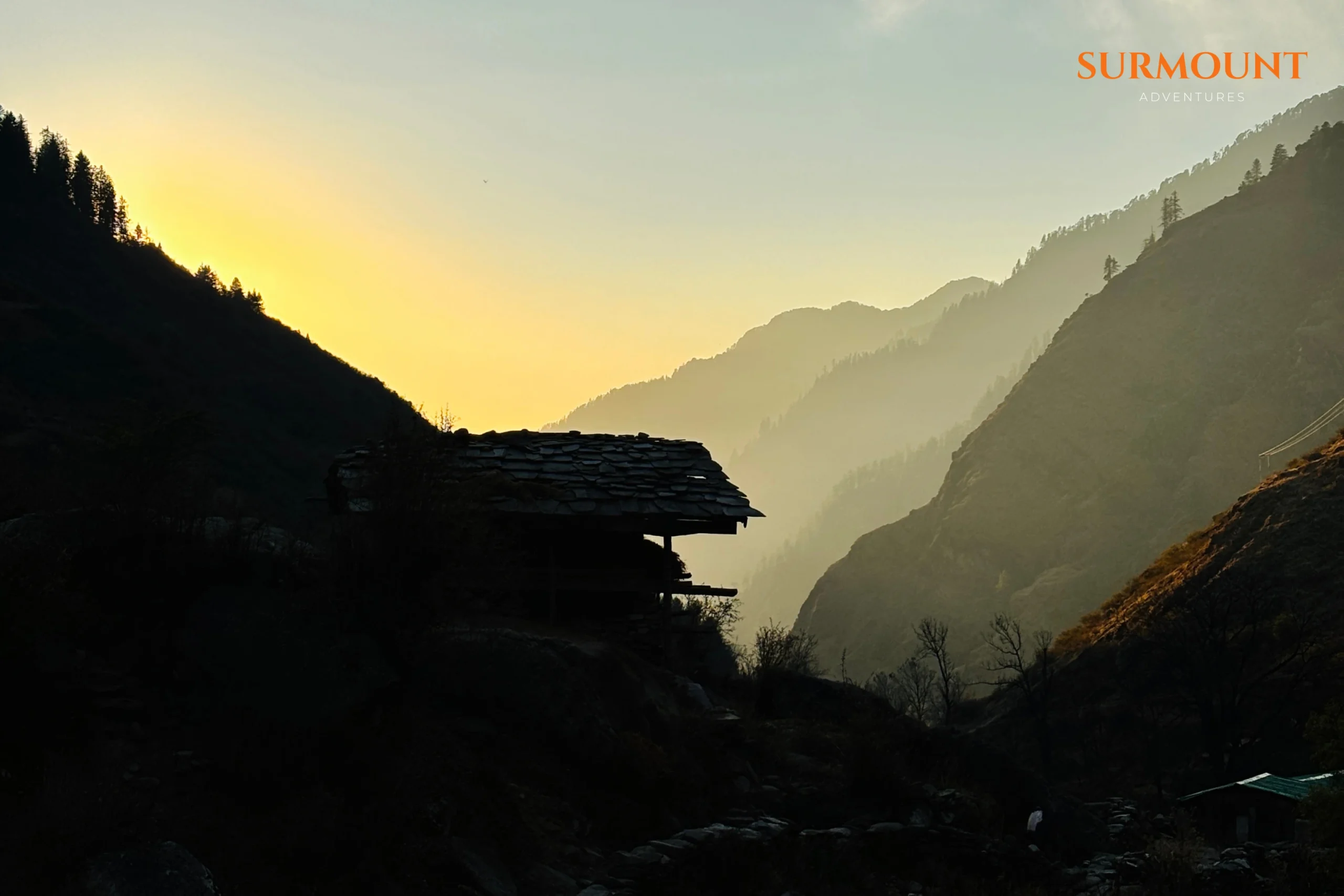
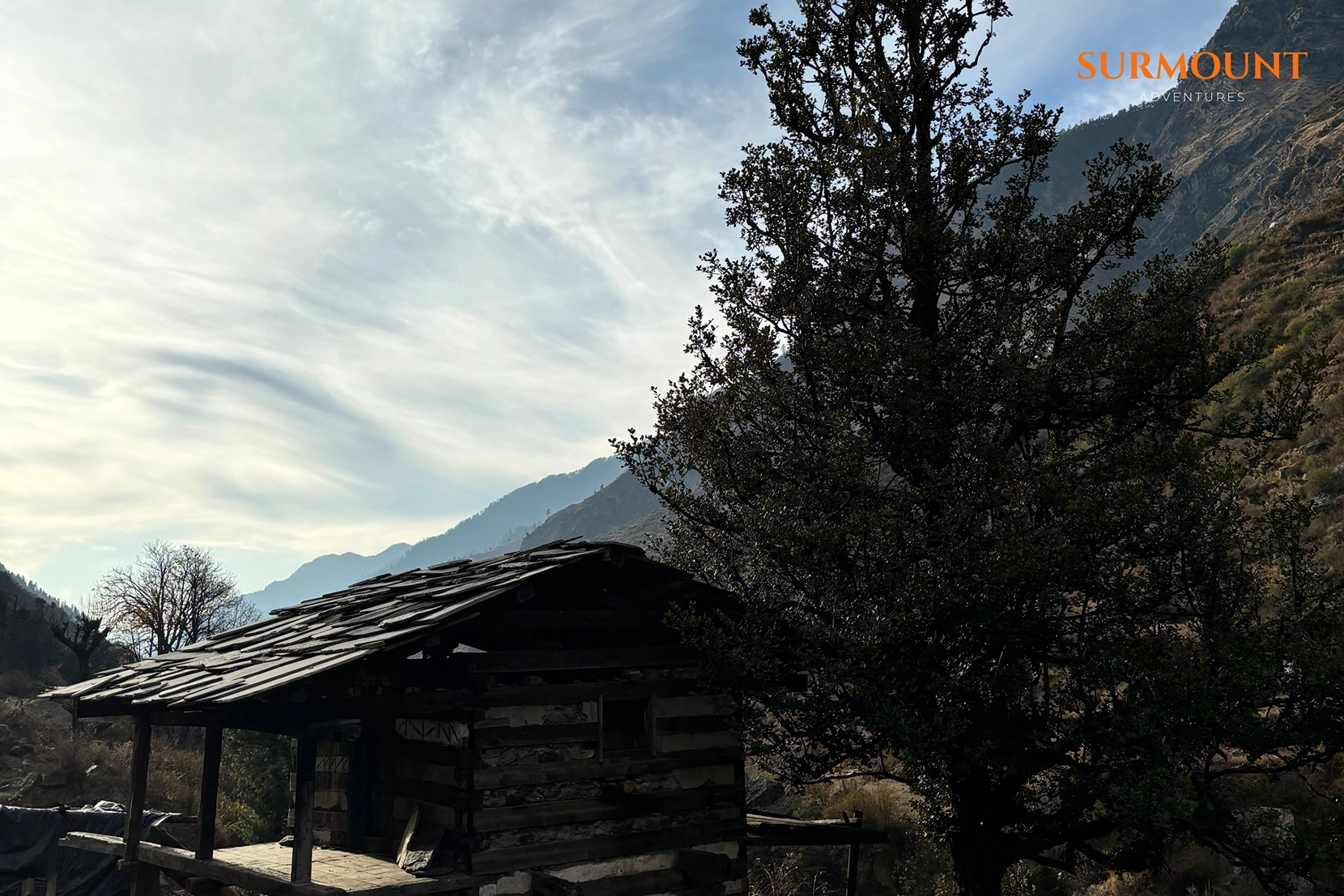
The trek begins from Sankri, a picturesque Himalayan village that serves as the base camp for several popular treks in Uttarakhand. From Sankri, the trail winds through dense pine and deodar forests, wooden bridges, alpine meadows, and ancient villages such as Osla and Pauni Gharat, where traditional wooden houses and age-old customs still thrive.
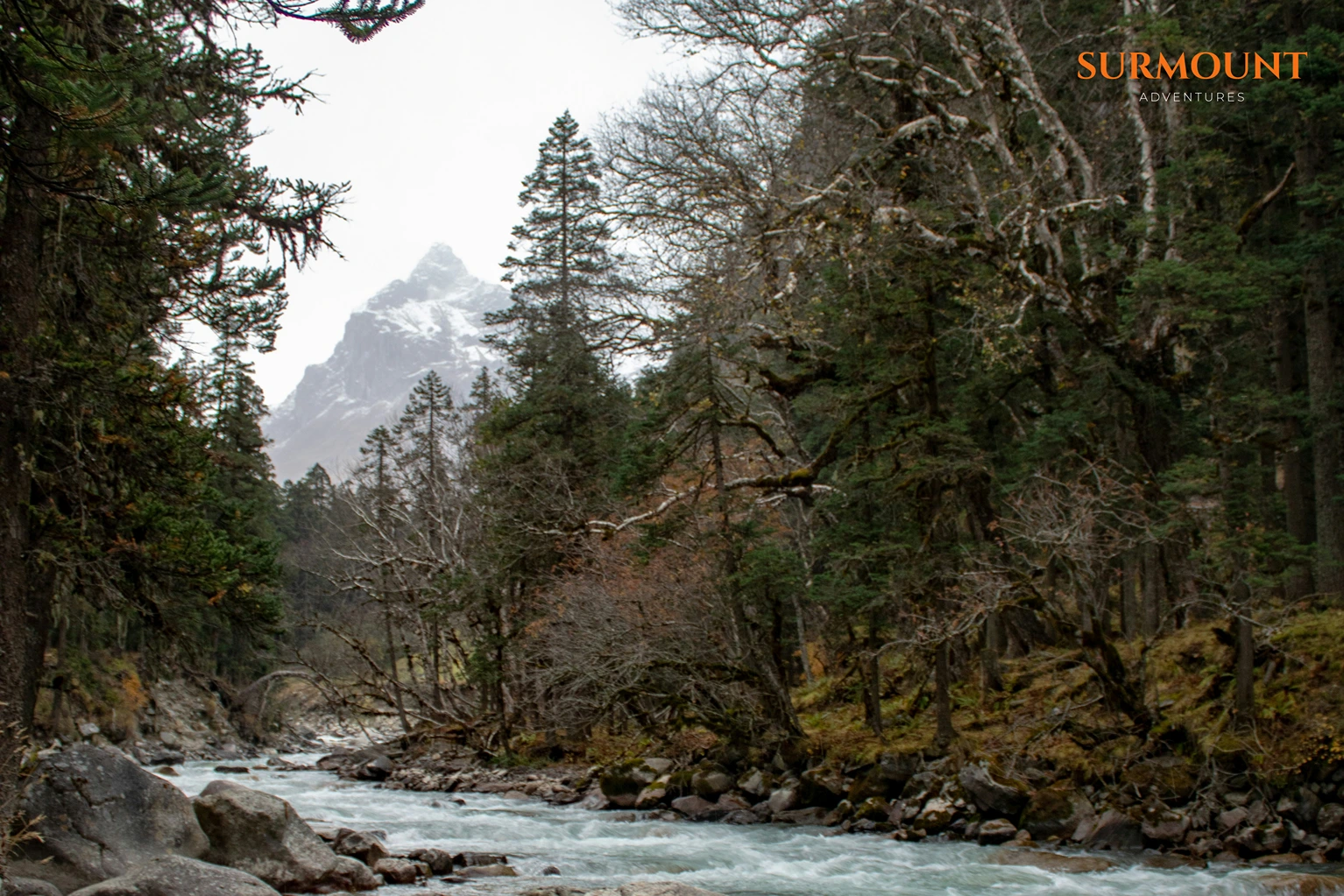
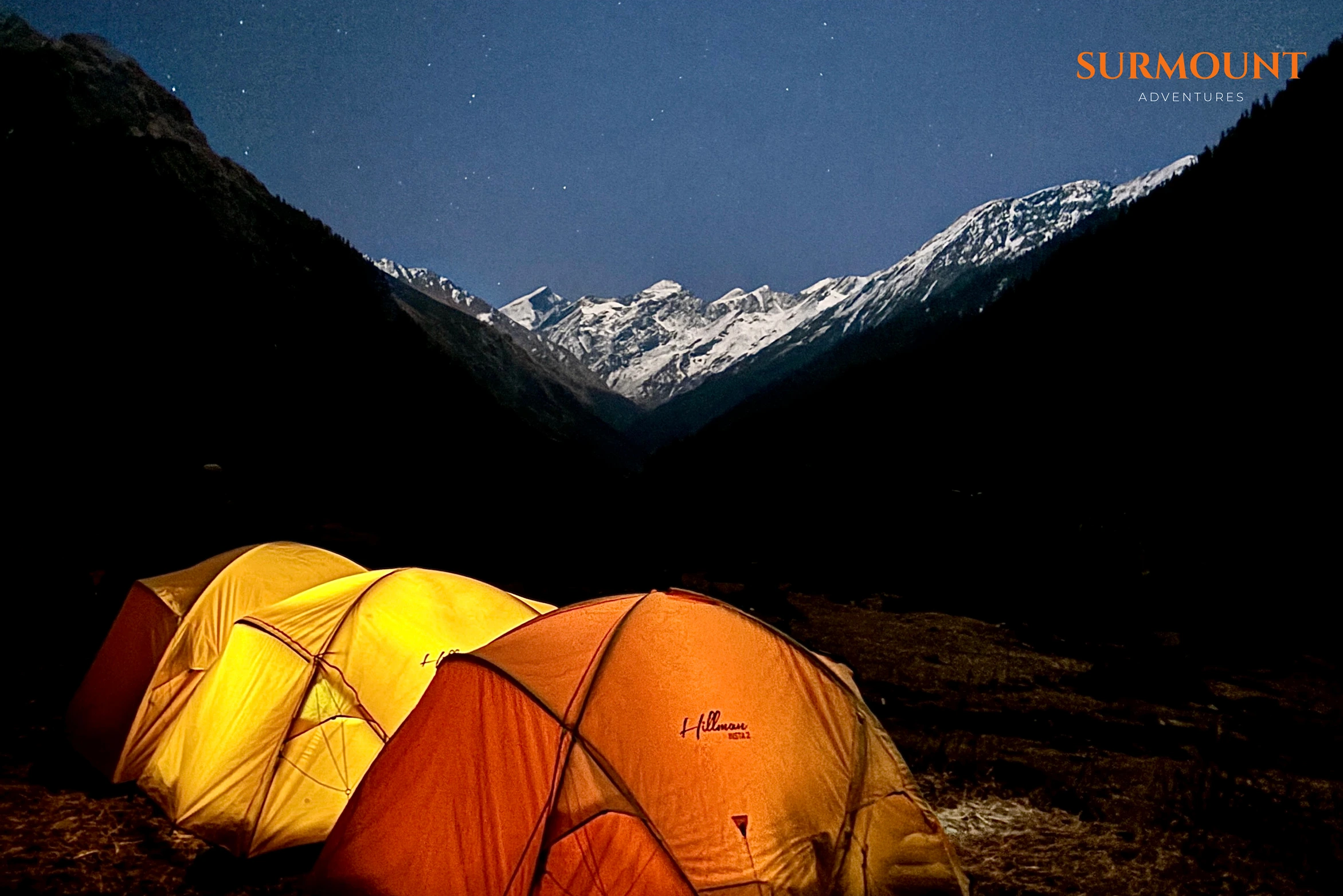
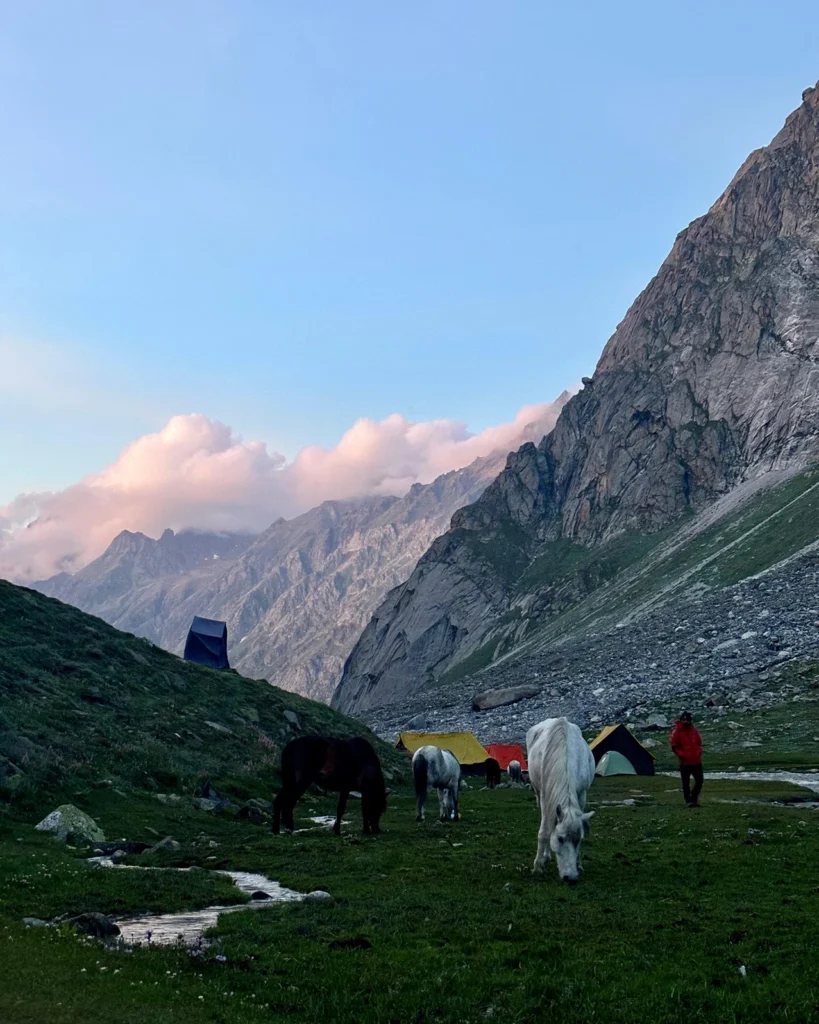
Throughout the journey, trekkers walk alongside the Supin River, crossing glacial streams and camping in serene locations surrounded by towering mountains. Nights are spent in peaceful campsites under starlit skies, offering a true wilderness experience. The trek distance is evenly distributed across multiple days, ensuring proper acclimatization and allowing trekkers to fully absorb the beauty and tranquility of the Himalayas.
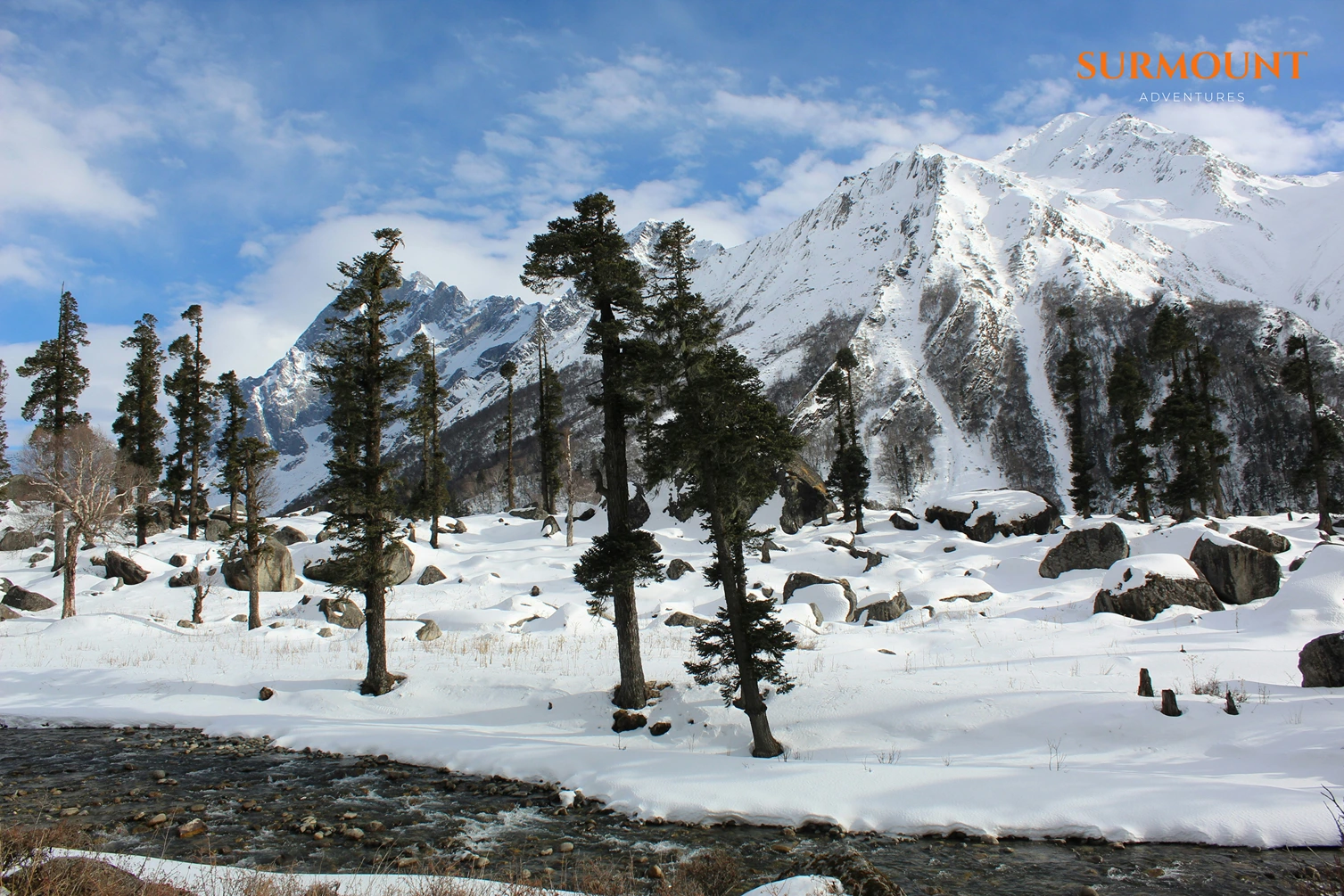
Reaching the Har Ki Dun Valley is the highlight of the trek. The wide-open meadows, dramatic mountain walls, and sweeping views of massive Himalayan peaks create a surreal setting that leaves trekkers in awe. The valley’s untouched charm and expansive landscapes make Har Ki Dun one of the most visually rewarding treks in the Indian Himalayas.
Why Choose the Har Ki Dun Trek?
1. The Mythical Valley of Gods
Trek through a valley deeply rooted in Indian mythology and associated with the legendary journey of the Pandavas, offering a rare blend of spirituality and adventure.
2. Spectacular Himalayan Mountain Views
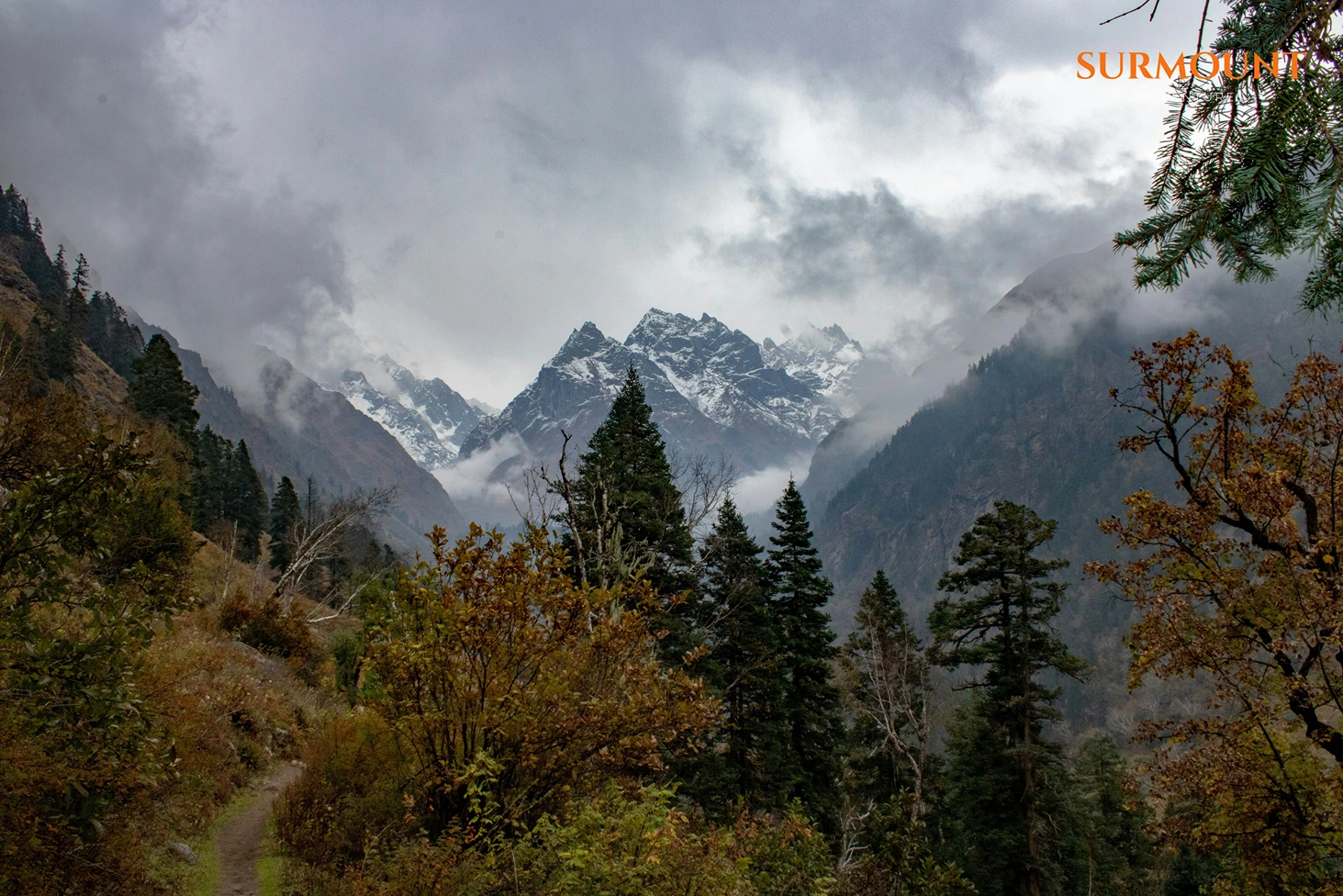
Enjoy uninterrupted views of majestic peaks such as Swargarohini I, Black Peak (Kalanag), Bandarpunch Range, and Ruinsara Peak, visible from multiple points along the trail.
3. Authentic Himalayan Village Life
Experience the unique culture, architecture, and lifestyle of remote Himalayan villages like Osla and Pauni Gharat, where traditions have remained unchanged for centuries.
4. Alpine Meadows, Forest Trails & River Walks
Walk through lush alpine meadows, dense pine and deodar forests, and scenic trails that follow the tranquil Supin River, offering constant natural beauty throughout the trek.
5. Camping in the Heart of the Himalayas
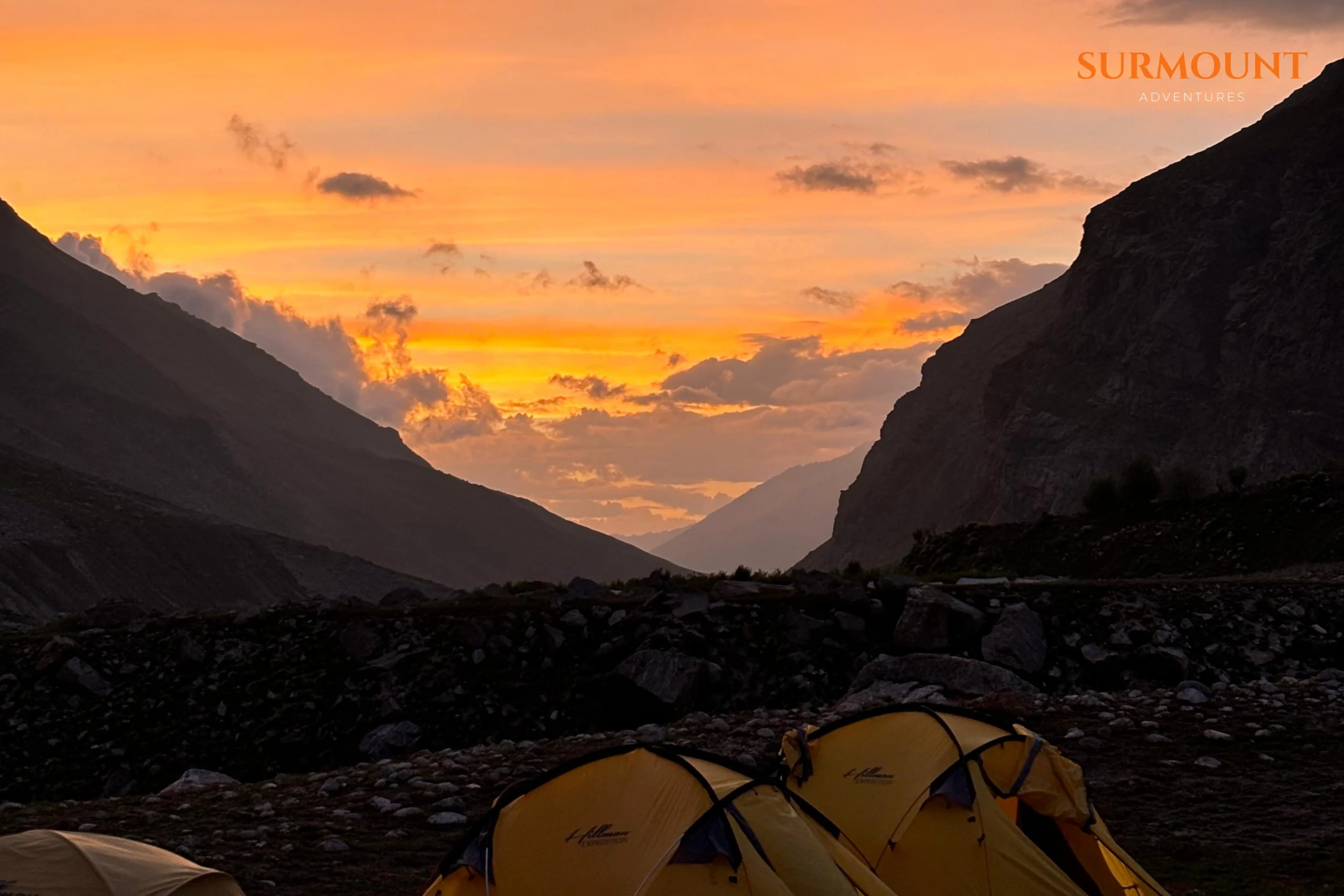
Spend nights camping in pristine mountain settings, surrounded by towering peaks, quiet forests, and clear night skies filled with stars.
Best Time to Do the Har Ki Dun Trek
Summer Season (April to June)
- Pleasant daytime temperatures ranging between 10°C and 18°C
- Snow patches visible at higher altitudes
- Blooming forests and vibrant landscapes
- Ideal season for first-time Himalayan trekkers
Post-Monsoon / Autumn Season (September to November)
- Crystal-clear skies and excellent mountain visibility
- Golden alpine meadows and crisp mountain air
- Stable weather conditions
- Best time for photography and panoramic views
↬ Itinerary
Reporting in Mumbai | Overnight Journey
The Har Ki Dun Trek from Mumbai begins with reporting at the designated meeting point at 10:30 PM. As participants prepare to board the overnight train to Haridwar, the excitement of leaving the city behind slowly sets in. This overnight journey allows trekkers to unwind, rest, and mentally prepare for the upcoming Himalayan adventure, ensuring a smooth transition from urban life to mountain trails.
Travel Towards Haridwar – Gateway of the Himalayas
Train Departs at 00:20AM. Day 1 is dedicated to long-distance travel toward Haridwar, one of India’s holiest cities and the spiritual gateway to the Himalayas. Located along the sacred River Ganga, Haridwar represents the meeting point of plains and mountains. The day is ideal for rest, hydration, and light movement, helping the body prepare for the altitude and terrain changes ahead. Overnight travel ensures participants reach Haridwar refreshed and ready to begin the mountain journey.
Meals: None
Arrival in Haridwar | Scenic Drive to Sankri Village
Upon arrival in Haridwar, the group assembles and departs on a picturesque mountain drive to Sankri, the base village for the Har Ki Dun trek. The route winds through Mussoorie’s forested hills, remote mountain towns, and deep river valleys carved by the Yamuna and Tons rivers. As altitude increases, the air grows cooler, and views become increasingly dramatic. Sankri, situated at approximately 1,900 meters, is a charming Himalayan hamlet surrounded by pine forests and snow-capped peaks, making it an ideal acclimatization base before the trek.
Drive Duration: Approx. 10–11 hours
Altitude: 1,900 m
Stay: Guesthouse / Homestay
Meals: Breakfast, Evening Tea, Dinner
Sankri to Dharkot (Drive) | Trek to Seema
After breakfast, a short drive takes the group from Sankri to Dharkot, the official starting point of the Har Ki Dun trek. From here, the trail follows the Supin River, passing through dense forests, wooden bridges, and small mountain villages. Trekkers get their first glimpse of traditional Garhwali life, with slate-roofed houses, terraced fields, and friendly locals. The gradual ascent to Seema village allows the body to adapt naturally to increasing altitude.
Trek Distance: Approx. 8–9 km
Altitude: 2,560 m
Stay: Tent Stay (Triple Sharing)
Meals: Breakfast, Lunch, Evening Tea/Snacks, Dinner
Seema to Boslo Camp – Transition into the Alpine Zone
Leaving Seema behind, the trail gradually climbs deeper into the Har Ki Dun Valley. Forests begin to thin out as the landscape opens into alpine terrain with wide meadows and sweeping mountain views. Snow-clad peaks start dominating the skyline, signaling entry into the high Himalayas. Boslo Camp, set amidst pristine meadows and towering mountain walls, offers a tranquil environment for rest and acclimatization before the summit day.
Trek Distance: Approx. 7–8 km
Altitude: ~3,100 m
Stay: Tent Stay (Triple Sharing)
Meals: Breakfast, Lunch, Evening Tea/Snacks, Dinner
Boslo to Har Ki Dun Valley | Return to Boslo
This is the most rewarding day of the Har Ki Dun trek itinerary. An early morning start leads trekkers toward the legendary Har Ki Dun Valley, reaching an altitude of approximately 3,566 meters. The valley unfolds dramatically, revealing breathtaking views of Swargarohini, Bandarpoonch, and Black Peak. Steeped in mythology, this valley is believed to be the path taken by the Pandavas on their journey to heaven. After spending time soaking in the views and energy of the place, the group retraces the route back to BosloCamp.
Trek Distance: Approx. 10–12 km (round trip)
Stay: Tent Stay (Triple Sharing)
Meals: Breakfast, Lunch, Evening Tea/Snacks, Dinner
Boslo to Puani Gharat – Descending Through Changing Landscapes
The descent begins from Boslo, offering a fresh perspective of the valley as the trail winds downward through alpine meadows, river crossings, and forest sections. The changing terrain and gentle descent make the day physically relaxing while still visually captivating. PuaniGharat, surrounded by dense forests and mountain streams, provides a peaceful campsite to unwind and reflect on the journey so far.
Trek Distance: Approx. 8–9 km
Stay: Tent Stay (Triple Sharing)
Meals: Breakfast, Lunch, Evening Tea/Snacks, Dinner
Puani Gharat to Dharkot | Drive Back to Sankri
On the final trekking day, the trail leads back to Dharkot, officially marking the completion of the Har Ki Dun trek. From Dharkot, the group drives back to Sankri. The evening is reserved for relaxation, sharing experiences, and celebrating the successful completion of one of Uttarakhand’s most beautiful treks.
Trek Distance: Approx. 7 km
Drive: Dharkot to Sankri
Stay: Tent Stay (Triple Sharing)
Meals: Breakfast, Lunch, Evening Tea/Snacks, Dinner
Sankri to Rishikesh – Descending to the Plains
After breakfast, the group departs from Sankri for Rishikesh, the yoga capital of the world. The scenic drive descends gradually from the mountains into the plains, offering a gentle transition back to civilization. Evening at leisure in Rishikesh allows trekkers to relax by the Ganga or explore the spiritual atmosphere of the town.
Drive Duration: Approx. 10–11 hours
Stay: Dormitory Stay (Zostel or Similar)
Meals: Breakfast
Rishikesh to Haridwar | Train to Mumbai
The journey continues with a short drive from Rishikesh to Haridwar, followed by boarding the return train to Mumbai. As the trek officially concludes, participants carry with them memories of alpine valleys, ancient villages, and the serene silence of the Himalayas.
Stay: –
Meals: None
Arrival in Mumbai – End of the Har Ki Dun Trek
Arrival in Mumbai marks the end of the Har Ki Dun Trek from Mumbai, bringing trekkers back to city life with renewed perspective, unforgettable experiences, and a deep connection to the mountains.
Meals: None
↬ Inclusion & Exclusion
- Travel: Transportation from Haridwar to Sankri & Sankri to Rishikesh by suitable vehicles.
- Stay: Triple/Quad Sharing stays In Sankri: Guesthouse/Homestay | Trek: Tent Stays | Rishikesh: Dormitory
- Meals: Simple nutritious vegetarian meals as mentioned in the Itinerary
- Staff: Certified Trek Leads, Guided Staff and Local Support
- Permits: Forest Permits, tolls, parking, fuel, and driver allowances included.
- Support: Basic first-aid support during the journey.
- Merchandise: Surmount’ s Trek Completion T-shirt with Certificates
- Insurance: Trek does not cover Insurance, Emergency Evacuation charges (Please get in touch with team Incase you want additional Insurance cover)
- Additional Support: Pony, Mules/Horses, or personal porter charges during treks.
- Personal Expenses: Tips, laundry, phone calls, bottled water, snacks, beverages, or any expenses of personal nature.
- Extra Meals: Any additional meal other than mentioned in the itinerary
↬ Things to Carry
Mandatory
- Government ID proof (Aadhaar / PAN / Driving License)
Footwear
- Waterproof high ankle trekking shoes
- Woollen/thermal socks (1 pair)
- Socks (4 Pairs)
- Slippers (for camps/travel)
Backpack
- 50-60L trekking backpack with rain cover
- Ziplock/dry bag
- Clothing (Winter Essentials)
- Thermal innerwear (top & bottom)
- Full-sleeve dry-fit T-shirts
- Fleece or woollen layer (mandatory)
- Down jacket (mandatory)
- Trek pants (quick-dry)
- Woollen cap, neck warmer
- Waterproof gloves + inner gloves
Trek Essentials
- Water bottles (2–3 litres) / thermos
- Energy snacks (dry fruits, bars, chocolates)
- Trekking poles (recommended)
- Head torch/flashlight
Accessories & Care
- Sunglasses, sunscreen, lip balm
- Power bank
- Basic toiletries & hand sanitizer
Personal Medicines
- Prescription medicines (if any)
- Paracetamol, ORS, antacid, motion-sickness tablets
- Band-aids
↬ FAQ's
Yes, the Har Ki Dun Trek is one of the best Himalayan treks for beginners. The trail has gradual ascents, well-marked paths, and proper acclimatization days.
The complete Har Ki Dun Trek from Mumbai takes 10 days, including travel from Mumbai to Haridwar and back.
The maximum altitude reached during the trek is approximately 3,536 meters or 11,600 ft at Har Ki Dun Valley.
The best months are April–June and September–November. These periods offer stable weather and the best views.
The trek is classified as easy to moderate. Regular walking, stair climbing, and basic fitness preparation are sufficient.
Altitude sickness risk is low due to gradual ascent. Staying hydrated helps prevent issues.
Accommodation includes guesthouses at Sankri and tent stays during the trek.
Network is available at Sankri and sometimes at Seema. Beyond that, connectivity is very limited.
↬ You might also like...
Bhairavgad Climbing & Rappelling