
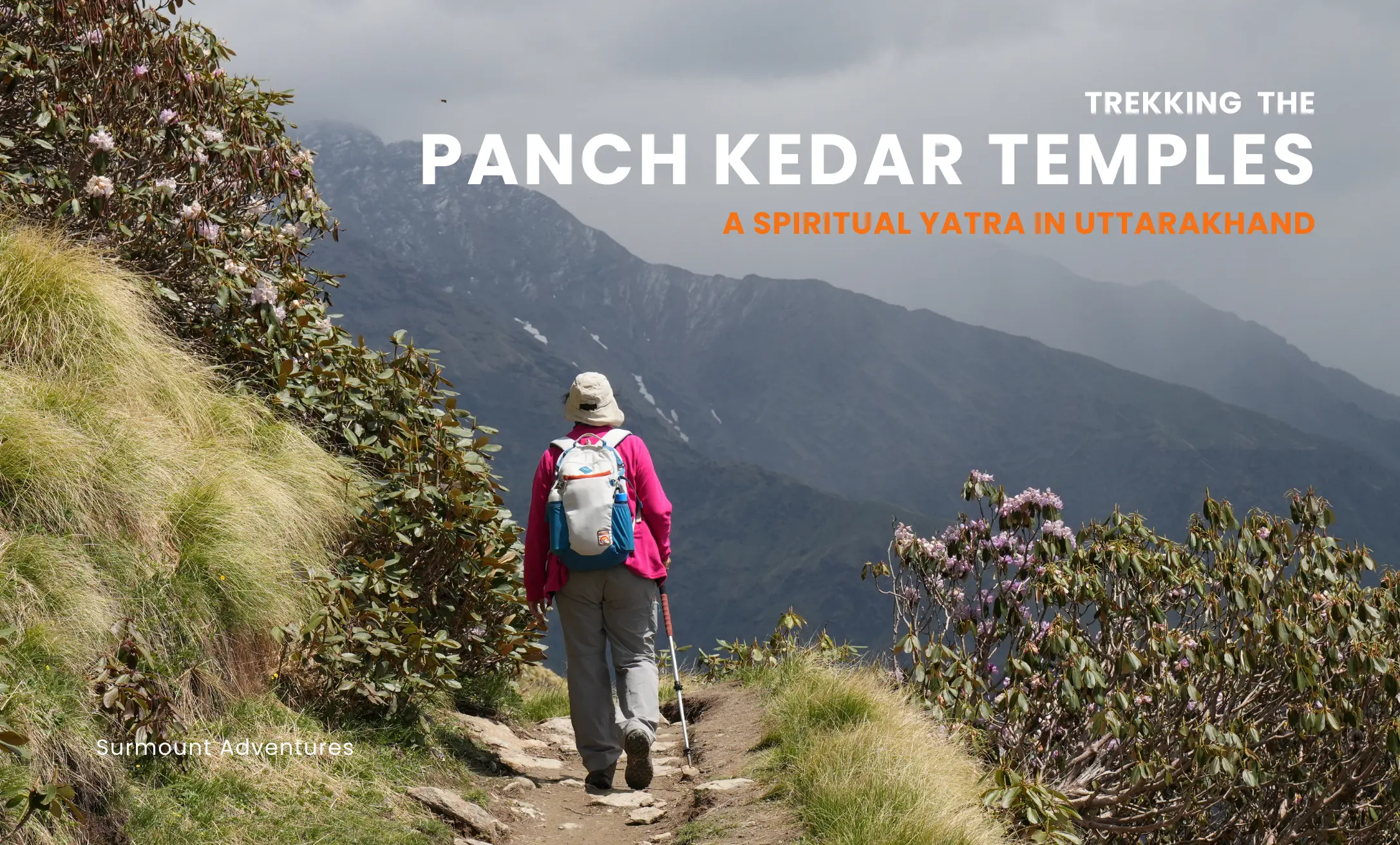
The Indian Himalayas are not just a geographical marvel but a divine landscape filled with spiritual energy. Among the most sacred pilgrimages in Uttarakhand is the Panch Kedar Yatra, a revered circuit of five ancient temples dedicated to Lord Shiva. Deeply rooted in the Mahabharata, this pilgrimage combines mythology, devotion, trekking adventure, and Himalayan beauty into one transformative journey.
The word Panch Kedar comes from Sanskrit — Panch meaning five and Kedar referring to Lord Shiva. Together, it means the five sacred abodes of Lord Shiva.
The five temples of Panch Kedar are:
• Kedarnath
• Tungnath
• Rudranath
• Madhyamaheshwar
• Kalpeshwar
These temples are located in the Garhwal Himalayas of Uttarakhand and are considered among the most powerful Shiva shrines in India.
The Mythological Story Behind Panch Kedar
The legend of Panch Kedar originates from the epic Mahabharata.
After the Kurukshetra war, the Pandavas were burdened with guilt for killing their own relatives and Brahmins. Seeking forgiveness, they searched for Lord Shiva. However, Shiva, displeased by the destruction caused by the war, avoided them by taking the form of a bull (Nandi).
When Bhima recognized the bull and tried to catch him, Lord Shiva disappeared into the earth. His body parts reappeared at five different locations in the Himalayas:
• Hump – Kedarnath
• Arms – Tungnath
• Face – Rudranath
• Navel – Madhyamaheshwar
• Matted Hair (Jata) – Kalpeshwar
These sacred sites later became the Panch Kedar temples, each symbolizing a divine manifestation of Lord Shiva.
Location of Panch Kedar Temples
The Panch Kedar temples are situated in the Rudraprayag and Chamoli districts of Uttarakhand, surrounded by:
• Snow-covered Himalayan peaks
• Alpine meadows (Bugyals)
• Dense forests
• Sacred rivers like Mandakini and Alaknanda
Most temples require trekking through rugged terrain, which adds a sense of discipline, endurance, and spiritual dedication to the journey.
Panch Kedar Temples & Their Spiritual Significance
1. Kedarnath – The Hump of Lord Shiva
Kedarnath is the most prominent temple among the Panch Kedar and one of the 12 Jyotirlingas of India.
• Located near the Mandakini River
• Surrounded by majestic Himalayan peaks
• Believed to be built by the Pandavas
• Revived by Adi Shankaracharya in the 8th century
Due to heavy snowfall, Kedarnath remains open only from April/May to October/November, increasing its spiritual aura and exclusivity.
2. Tungnath – The Highest Shiva Temple in the World
Tungnath represents the arms of Lord Shiva and sits at an altitude of approximately 3,680 meters, making it the highest Shiva temple in the world.
• Trek starts from Chopta (“Mini Switzerland of Uttarakhand”)
• Offers stunning views of Nanda Devi, Trishul, and Chaukhamba peaks
• Near Chandrashila Peak, a popular trekking summit
Tungnath attracts both devotees and adventure lovers.
3. Rudranath – The Face of Lord Shiva
Rudranath is considered the most challenging Panch Kedar temple to reach. Here, Shiva’s face is worshipped in a natural rock formation.
• Surrounded by forests and alpine meadows
• Sacred water bodies: Surya Kund & Chandra Kund
• Deeply peaceful and meditative atmosphere
The remote setting makes Rudranath ideal for seekers looking for solitude and spiritual depth.
4. Madhyamaheshwar – The Navel of Lord Shiva
Madhyamaheshwar is associated with the navel (Madhya) of Lord Shiva.
• Located in a serene Himalayan valley
• Accessible via a scenic trek through Garhwali villages
• Offers panoramic views of Chaukhamba peaks
The temple complex also includes a shrine dedicated to Shiva’s head, enhancing its spiritual significance.
5. Kalpeshwar – The Jata (Matted Hair) of Lord Shiva
Kalpeshwar is unique among the Panch Kedar temples because it remains open throughout the year.
• Located inside a sacred cave
• Associated with Shiva’s matted hair
• Near the mythical Kalpavriksha tree
Kalpeshwar is especially revered by sages and ascetics who meditate in the region.
Historical Significance
The Panch Kedar pilgrimage route was formally organized by Adi Shankaracharya in the 8th century, who played a key role in reviving Hindu pilgrimage traditions across India.
The temples feature ancient stone architecture, reflecting resilience against harsh Himalayan weather and standing as symbols of enduring faith.
Spiritual Importance of Panch Kedar Yatra
The Panch Kedar Yatra is believed to:
• Cleanse past sins
• Remove karmic burdens
• Awaken inner consciousness
• Strengthen devotion to Lord Shiva
Many devotees undertake the Panch Kedar Yatra after completing the Char Dham Yatra, making it one of the most sacred Shiva pilgrimages in India.
Best Time to Visit Panch Kedar
The ideal time for Panch Kedar Yatra is:
✔ May to June – Pleasant weather and open trekking routes
✔ September to October – Clear skies and post-monsoon beauty
❌ Avoid July–August (Monsoon) due to landslides and difficult trekking conditions.
Note: Except for Kalpeshwar, all temples close during winter due to heavy snowfall.
Why Panch Kedar is More Than Just a Pilgrimage
Panch Kedar is not simply a religious journey—it is a spiritual expedition through:
• Ancient mythology
• Himalayan wilderness
• Challenging trekking routes
• Deep meditation and self-discovery
Every step on this sacred trail is a blend of devotion, endurance, and natural wonder.
Our Thoughts
The Panch Kedar Yatra in Uttarakhand is one of the most profound Shiva pilgrimages in India. From the towering heights of Tungnath to the mystical caves of Kalpeshwar, each temple tells a story of faith, mythology, and divine presence.
For devotees, trekkers, and spiritual seekers alike, Panch Kedar offers a journey that touches both the soul and the senses.
If you are looking for a pilgrimage that combines spiritual awakening, adventure, and Himalayan beauty, Panch Kedar is calling.
